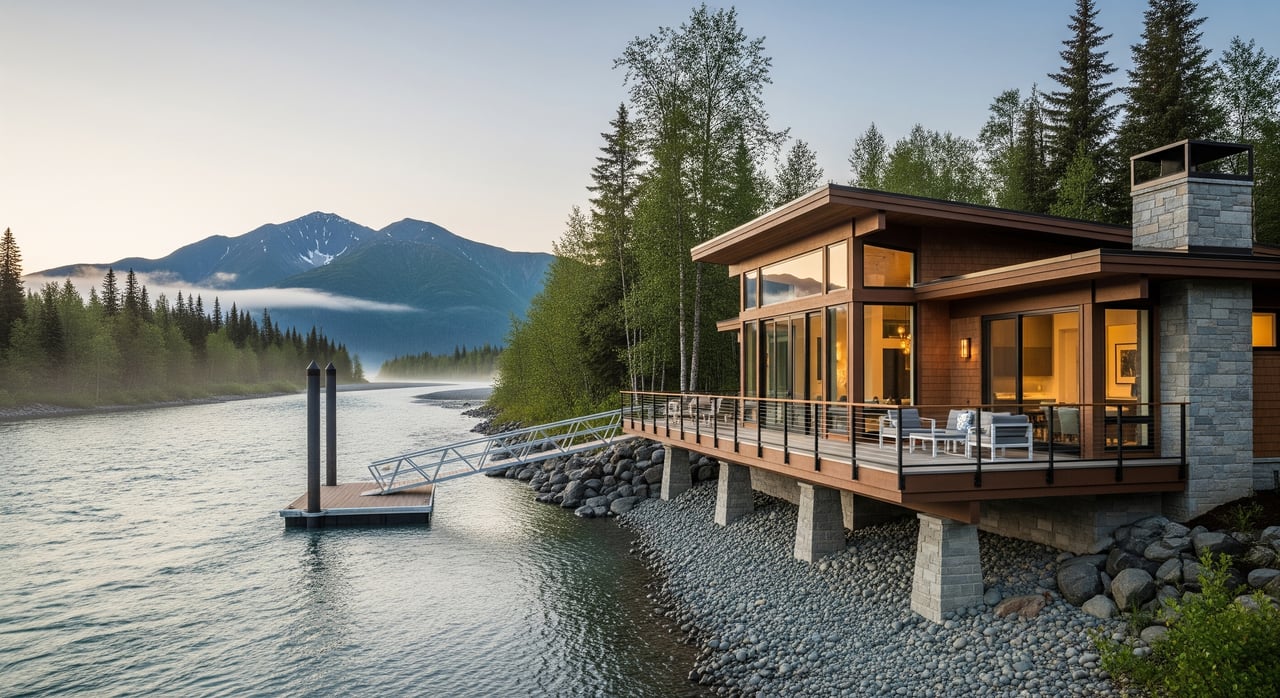
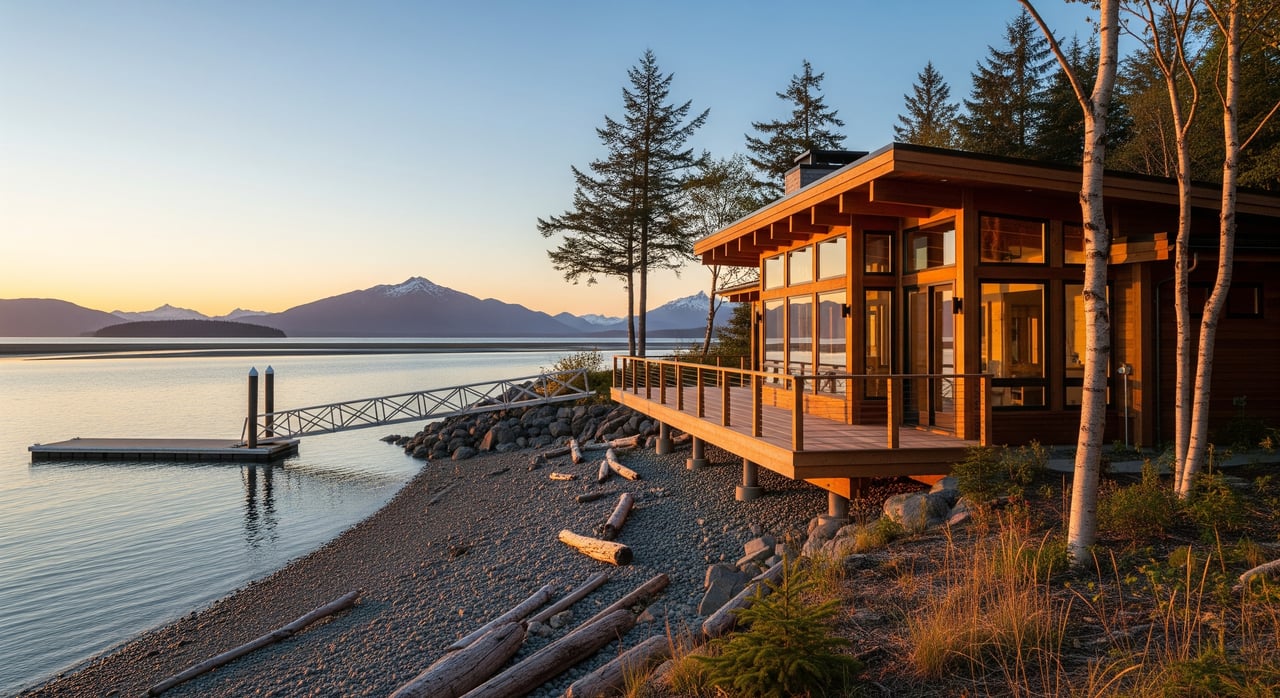
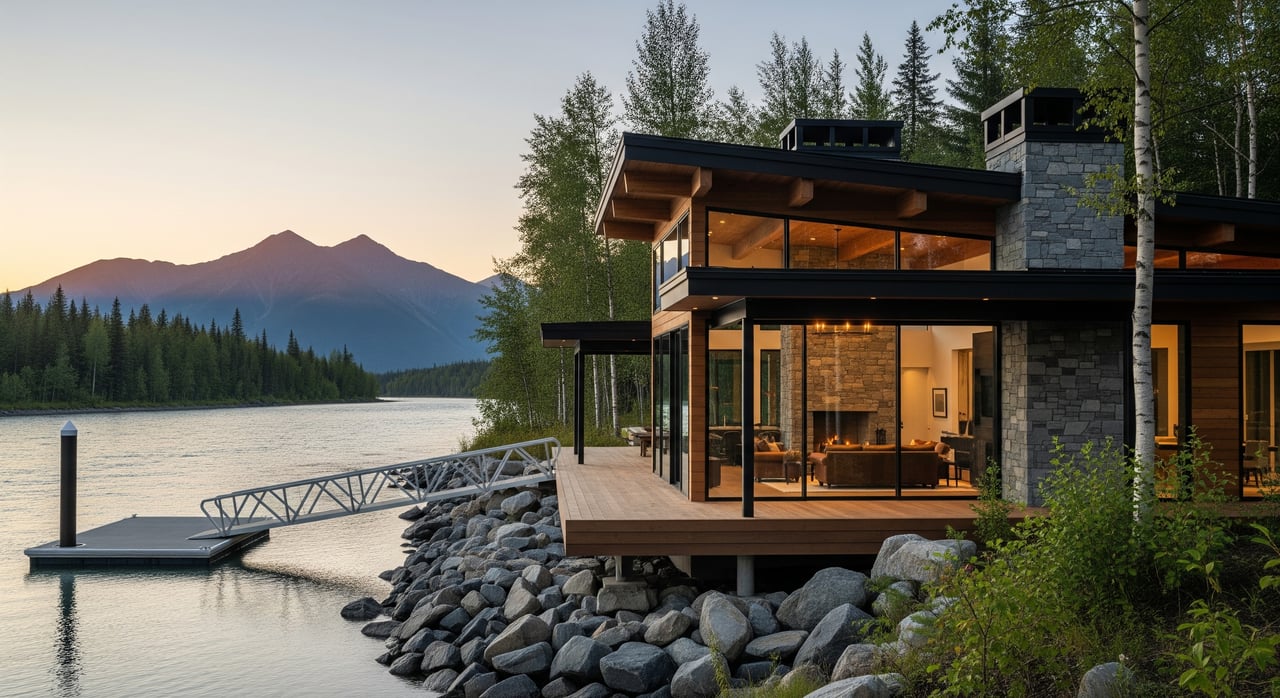
Thinking about buying in Homer but wondering how Fox River fits into the picture? You are not alone. The Homer area blends an in-town coastal city with rural and remote parcels, and each behaves differently when it comes to pricing, inventory, utilities, and access. In this guide, you will learn how the market works, what to watch in each submarket, and how to structure a winning offer. Let’s dive in.
How Homer’s setting shapes prices
Homer sits on Kachemak Bay, which means views and waterfront access can command a premium. At the same time, shoreline rules and coastal hazard layers add due diligence steps that smart buyers plan for. In town, many homes connect to municipal services, while outlying areas rely on wells, septic systems, and various heating fuels.
Out of town, larger parcels are common and roads can be privately maintained or seasonally challenging. In Fox River and similar rural tracts, you may see off-grid systems and longer travel to services. Utility setup, road maintenance, and access all factor into your total cost and inspection plan.
In-town Homer
- Many neighborhoods have city water and sewer.
- Shorter trips to hospital, harbor, and shops.
- Smaller lots and more year-round neighbors.
- Often a steadier resale pattern with more comparable sales.
Coastal and bay-view areas
- Views and waterfront can add significant value and volatility.
- Erosion, flood, and tsunami layers require careful review.
- Access and improvements drive pricing as much as square footage.
Fox River and rural parcels
- Larger acreage and privacy are common.
- Expect wells, septic, alternative heat, and sometimes off-grid power.
- Days on market can be longer due to niche demand and logistics.
- Seasonal road conditions and maintenance vary by location.
Seasonality and inventory patterns
Homer follows a seasonal rhythm. Listing activity usually rises from late spring into summer as more sellers bring homes to market and out-of-state buyers visit for showings and inspections. Winter often brings fewer new listings and quieter showings, which can create negotiating opportunities for prepared buyers.
What to watch each month
- Active listings and new listings to gauge choice.
- Pending sales to spot demand shifts.
- Months of inventory to understand leverage. Under 3 often favors sellers, 3 to 6 is balanced, and over 6 can favor buyers.
- Median days on market, while noting outliers in small samples.
Price ranges and what drives them
Price bands vary by submarket. In-town single-family homes often fall within a narrower range because there are more sales to compare. Waterfront and bay-view homes can swing widely, because view corridors, bluff stability, and access all play big roles. Fox River and other rural parcels range from modest cabins to large-acreage retreats, so the spread can be wide.
A better way to compare
- Use 6 to 12 month rolling measures to smooth out “one-off” sales.
- Look at percentiles or price bands rather than a single monthly median.
- Review how many active listings exist within your target budget to judge depth.
- Treat price per square foot as a secondary measure. In rural and coastal sales, lot size, view, waterfront, utilities, and outbuildings often matter more.
Offer competitiveness in Homer
Small coastal markets reward preparation and flexibility. Sellers value a clean path to closing and timelines that respect local seasons.
Market-readiness checklist
- Get fully pre-approved with a lender familiar with Alaska properties.
- Line up inspectors who understand wells, septic, heating systems, and coastal or rural conditions.
- Budget time for utility tests and any required permits or documentation.
- If you are out of state, plan for travel windows or remote options for signatures and walkthroughs.
Seller priorities to keep in mind
- Certainty of closing and realistic timelines.
- Inspection periods that are efficient but protective.
- Flexibility around seasonal logistics, including winter access or summer fishing schedules.
Offer terms that travel well
- Strong earnest money to signal commitment.
- Clear inspection and financing contingencies with practical timelines.
- Closing date flexibility and, when appropriate, escalation or appraisal gap language used thoughtfully.
Financing for rural and coastal homes
- Some loans have property eligibility rules for rural or manufactured homes.
- Lenders may require additional documentation for alternative heat or off-grid systems.
- Cash is powerful in thin markets, but a well-prepared pre-approval with local knowledge can be nearly as competitive.
Reading local data the right way
Homer has relatively few transactions each month. A single high-value waterfront sale can distort a monthly median. To make sound decisions, view data through a wider lens.
- Use rolling averages across 6 to 12 months.
- Always pair medians with transaction counts.
- Separate property types such as single-family homes, condos, and vacant land.
- Flag unusual sales so you do not anchor on an outlier.
Helpful visuals to review
- Rolling 12-month median sale price with separate lines for in-town, coastal/bay-view, and rural.
- Monthly new listings versus closed sales to show seasonality.
- Months of inventory with simple benchmarks for buyer or seller advantage.
- Active listings by price band to reveal where choice exists.
- Median days on market by submarket with a note about small-sample swings.
Practical takeaways for buyers
- Expect more listings and competition from spring through summer, with quieter but leaner choices in winter.
- Focus on submarket fit first. In-town, coastal, and rural parcels behave differently.
- Plan for utility and access realities. Wells, septic, heating fuel, and road maintenance impact budgets and timing.
- Protect yourself with inspections for septic and wells, heating systems, access, and coastal hazards.
- Prepare a strong, clean offer. Cash or a local-savvy pre-approval can help you compete.
Fox River vs in-town: quick compare
- Convenience: In-town offers easier access to services, while Fox River trades convenience for acreage and privacy.
- Utilities: City services are more common in town. Fox River often relies on well, septic, and alternative power.
- Access: Year-round paved access is more typical in town. Rural roads can be private or seasonal.
- Pricing pattern: In-town has more comps and steadier ranges. Fox River can show wider swings and longer days on market.
Glossary
- Active listing: A property currently for sale.
- Pending: A home under contract with contingencies open.
- Closed sale: A recorded, completed transaction.
- Median sale price: The middle sale price in a set period.
- Days on market (DOM): Days from listing to accepted offer.
- Months of inventory: Active listings divided by average monthly sales.
- Rolling average: An average over a moving window of months.
- Contingency: A condition such as inspection or financing that must be met.
- Septic inspection and well test: Due diligence for properties without city utilities.
- Flood zone or tsunami hazard: Official risk designations that can affect lending, insurance, and permits.
- Escrow or earnest money: A good-faith deposit held until closing.
Ready to explore Homer and Fox River with a trusted local guide? Reach out to Gina Pelaia for clear advice, on-the-ground insights, and a plan that fits your budget and lifestyle.
FAQs
What should first-time buyers know about Fox River access and utilities?
- Expect wells and septic, possible alternative power, and variable road maintenance; plan inspections and budget for service providers who work in rural areas.
When is the best time of year to buy in Homer?
- Spring and summer bring more listings and more competition, while winter can offer more negotiating room but fewer choices.
How do I evaluate flood or tsunami risk near Kachemak Bay?
- Review official flood and hazard maps with your agent and include insurance availability and permit history in your due diligence.
Are short-term rentals allowed everywhere in Homer?
- Policies can vary by area and property type; confirm current local ordinances and any HOA rules before you buy if rental income is part of your plan.
Which inspections matter most for rural Alaska homes?
- Septic and well testing, heating system evaluation, access and road condition review, and, for coastal sites, shoreline stability and hazard layers.
How competitive is a financed offer compared to cash in Homer?
- Cash can be strong in a small market, but a full pre-approval with a lender experienced in Alaska properties and clean terms can still win.