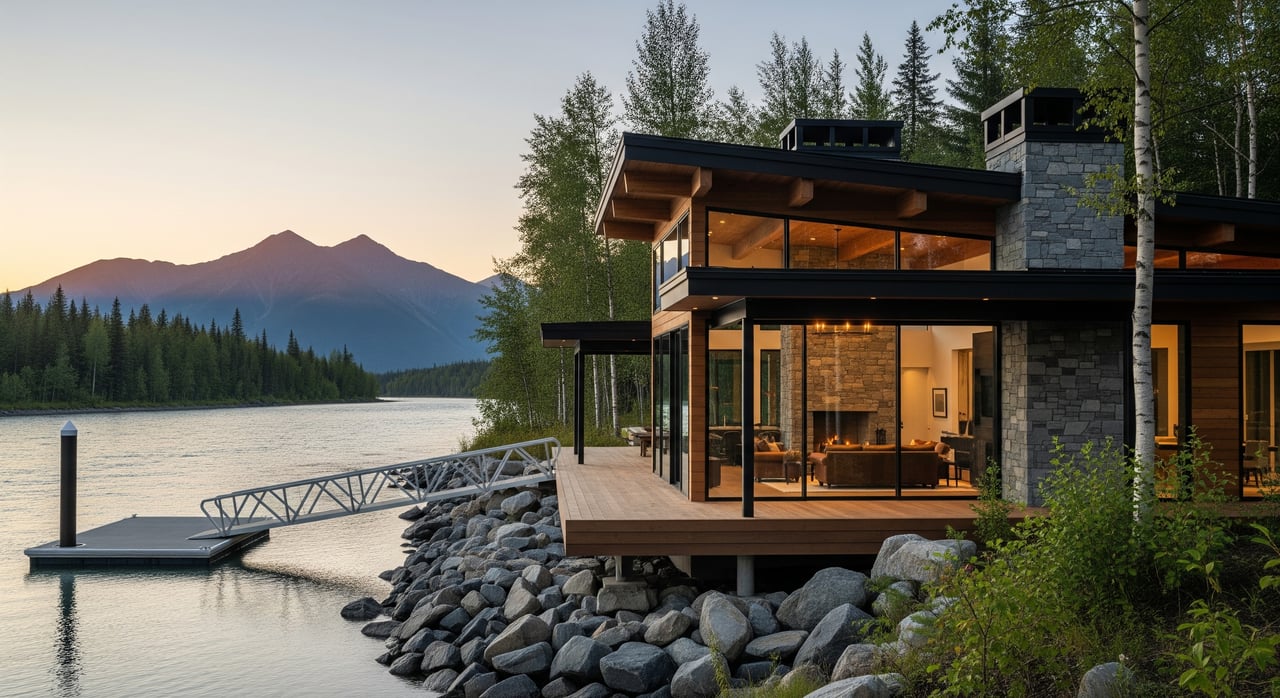
Thinking about buying a home in Soldotna but not sure where to start? You are not alone. Between winter conditions, wells and septic systems, and riverfront rules along the Kenai River, there is a lot to sort through. This guide breaks down the process step by step, with timelines, local tips, and a printable checklist so you can buy with confidence. Let’s dive in.
Soldotna market basics
Soldotna sits along the Kenai River in the Kenai Peninsula Borough. You will find a mix of in-town single-family homes, riverfront properties with access considerations, and rural acreage with cabins and outbuildings. Condos and townhomes exist in smaller numbers.
Seasonality matters. The market is most active in late spring and summer when more homes list and it is easier to tour. Winter can bring fewer listings, slower scheduling for inspections and appraisals, and more logistics around access and daylight.
If you are starting to compare areas, use a local overview like the Soldotna neighborhood guide to get a feel for different parts of town, commute routes, and nearby services.
Your step-by-step path
Get ready: budget and research
Start with your monthly budget and a plan for heating season. Ask sellers for utility history when possible so you understand oil, propane, wood, or electric costs. Check property tax amounts and exemptions through the borough assessor, and review any local maintenance districts or assessments that could affect your payment.
If schools are part of your decision, review school zones in a neutral way and verify boundaries with official sources. For lifestyle and amenities, explore neighborhoods and nearby recreation so you can narrow your search early.
Get pre-approved for a loan
A strong pre-approval shows sellers you are serious and sets your price range. Many lenders can issue pre-approvals in 24 to 72 hours once you submit documents. In Alaska, lenders may ask about seasonal or remote employment history and, if you are relocating, your job start date.
- Compare local options with our guide to find mortgage lenders.
- Review statewide programs and benefits with Alaska loan programs, including AHFC and VA options.
If you plan to pay cash, gather a recent proof-of-funds letter so you can act quickly when you find the right home.
Partner with a local agent
Work with an agent who knows Soldotna’s neighborhoods, borough permitting, and the unique issues that come with wells, septic systems, and riverfront access. Out-of-town buyers often rely on video tours and detailed photo sets, especially during winter. Your agent can also help you confirm road maintenance responsibilities and seasonal access for rural parcels.
Tour homes the winter-smart way
Winter brings shorter daylight and icy conditions. Schedule showings during midday for better light. Ask sellers to clear walkways and driveways for safe access, and plan extra time for exterior checks like roofs, grading, and culverts. For rural properties, verify whether you have borough-maintained roads or private access, and what that means for plowing.
Write a competitive offer
Your offer includes price, earnest money, a closing timeline, and key contingencies such as inspection, financing, title, and appraisal. In busier months, sellers may favor shorter contingency periods or higher earnest money. In slower seasons, you may have more room to negotiate timing and terms.
In Soldotna, make sure your contingencies address common local issues:
- Full home inspection with well and septic testing if applicable
- Financing and appraisal timelines matched to your lender
- Title review for easements, rights-of-way, or utility agreements
- Any promised access or features such as docks or river use
Inspect and investigate
Inspections are where you protect your long-term costs. A typical inspection window is 7 to 10 days, but winter can slow specialist scheduling. Focus on the systems that matter most in a cold climate and rural setting:
- Structure: roof, siding, foundation, and frost-related movement
- Heating: oil, propane, wood stove, or electric; request service records and check tank condition
- Plumbing and water: private well flow and water quality; watch for frozen or exposed piping risks
- Septic: pump and drainfield condition, capacity, and permit history
- Moisture and insulation: mold risk, ventilation, and insulation levels
- Access: driveway culverts, bridges, and seasonal road conditions
Order specialist tests as needed. For riverfront lots, consider an erosion or shoreline assessment. For a deeper overview, see our home inspection resources and river-specific guidance in Kenai River property considerations.
Appraisal, title, and underwriting
Appraisals can take 1 to 3 weeks, sometimes longer if the property is unique or if the appraiser needs to travel or locate additional comparable sales. Your lender’s underwriting team will verify employment and assets. Seasonal or remote work patterns may require extra documentation.
Title work is standard. Confirm who orders it, and review the title report for easements, rights-of-way, and utility agreements. If prior additions or outbuildings exist, verify that they were permitted with the borough.
Closing and possession
Most financed purchases in similar markets close in about 30 to 45 days after offer acceptance. Cash deals can close in 7 to 14 days if inspections and title are clear. Confirm who will handle escrow, where you will sign, and how funds will be transferred. After recording with the borough, you will receive keys on the possession date agreed to in the contract.
For a walkthrough of local closing details, visit closing and title basics.
Soldotna property considerations
Utilities and infrastructure
Inside Soldotna city limits, some neighborhoods have municipal water and sewer. Many properties outside city limits use private wells and septic systems. Internet and cell coverage can vary outside town, so verify providers and speeds if you work remotely or stream regularly.
Environmental and water concerns
Riverfront and near-river properties may come with extra permitting, public access considerations, or restrictions related to docks and bank stabilization. Flooding and erosion risk should be investigated using FEMA flood maps and local borough resources. Parcels that include wetlands or habitat areas may be subject to state or federal protections. Confirm requirements with local planning offices.
Insurance and risk
Insurers consider heating fuel type, distance to fire services, wildfire risk, and flood exposure. If the home lies in a mapped floodplain, flood insurance may be required by your lender.
Taxes and assessments
The Kenai Peninsula Borough assesses property and levies taxes. Ask about current tax amounts and available exemptions, such as senior exemptions when eligible. Check for any road maintenance or utility assessment districts that add recurring fees.
Typical timeline in Soldotna
- Pre-approval: 1 to 3 days after documents are submitted
- Offer response: often 24 to 72 hours, possibly longer in winter
- Inspection period: commonly 7 to 10 days, negotiable
- Appraisal scheduling: 1 to 3 weeks, sometimes longer
- Underwriting and clear-to-close: often 2 to 4 weeks after appraisal
- Closing: financed purchases typically 30 to 45 days; cash can be 7 to 14 days
Buyer checklist (printable)
- Before house-hunting:
- Get mortgage pre-approval or proof of funds.
- Research Soldotna neighborhoods, school zones, and tax rates.
- Identify local lenders and loan programs, including AHFC, conventional, and VA.
- When viewing homes:
- Schedule showings during daylight, ideally midday in winter.
- Request cleared driveways and walkways in winter.
- Ask the seller for recent utility bills and maintenance records.
- Photograph or note potential problem areas like roof, foundation, and grading.
- At offer stage:
- Decide earnest money amount and contingency timelines.
- Include a full inspection contingency and specify well and septic testing if needed.
- Clarify what stays with the property, including docks, outbuildings, and fixtures.
- Inspections and tests to order:
- General home inspection.
- Well water quality and yield test.
- Septic inspection or pumping and drainfield evaluation.
- HVAC or boiler service check and fuel-tank inspection.
- Mold and insulation assessment if moisture is suspected.
- Shoreline or erosion assessment for riverfront lots.
- Before closing:
- Confirm title search and title insurance.
- Get quotes for homeowners and, if needed, flood insurance.
- Review the closing statement for tax prorations and borough fees.
- Set up utility transfers, including heating fuel, electricity, and municipal water if applicable.
- After closing:
- Keep your recorded deed and closing documents.
- Schedule winterizing tasks like pipe protection and insulation checks.
- Arrange snow removal and mailbox access.
Make your Soldotna move simple
Buying in Soldotna is about more than finding the right house. It is understanding riverfront details, rural systems, and seasonal timelines so your investment fits your lifestyle. When you want a calm, clear path from first tour to keys, reach out to Gina Pelaia for local guidance and start-to-finish buyer representation.
FAQs
How does winter change the buying process in Soldotna?
- Shorter daylight and snow can limit exterior inspections, so schedule midday showings, request cleared access, and build extra time into inspections.
Are well and septic inspections really necessary in the area?
- Yes, many homes use private systems, and a failing well or septic can be a major expense, so include testing in your inspection contingency.
What should I know about buying near the Kenai River?
- Riverfront homes may have floodplain, erosion, permitting, or public access considerations, and specialist review is recommended before closing.
How long does a typical Soldotna purchase take to close?
- Financed purchases often take 30 to 45 days from acceptance; cash transactions can close in 7 to 14 days if title and inspections are clear.
Can I buy from out of state without traveling to every showing?
- Yes, with virtual tours and local coordination for inspections and closing, though some steps still require on-the-ground scheduling.