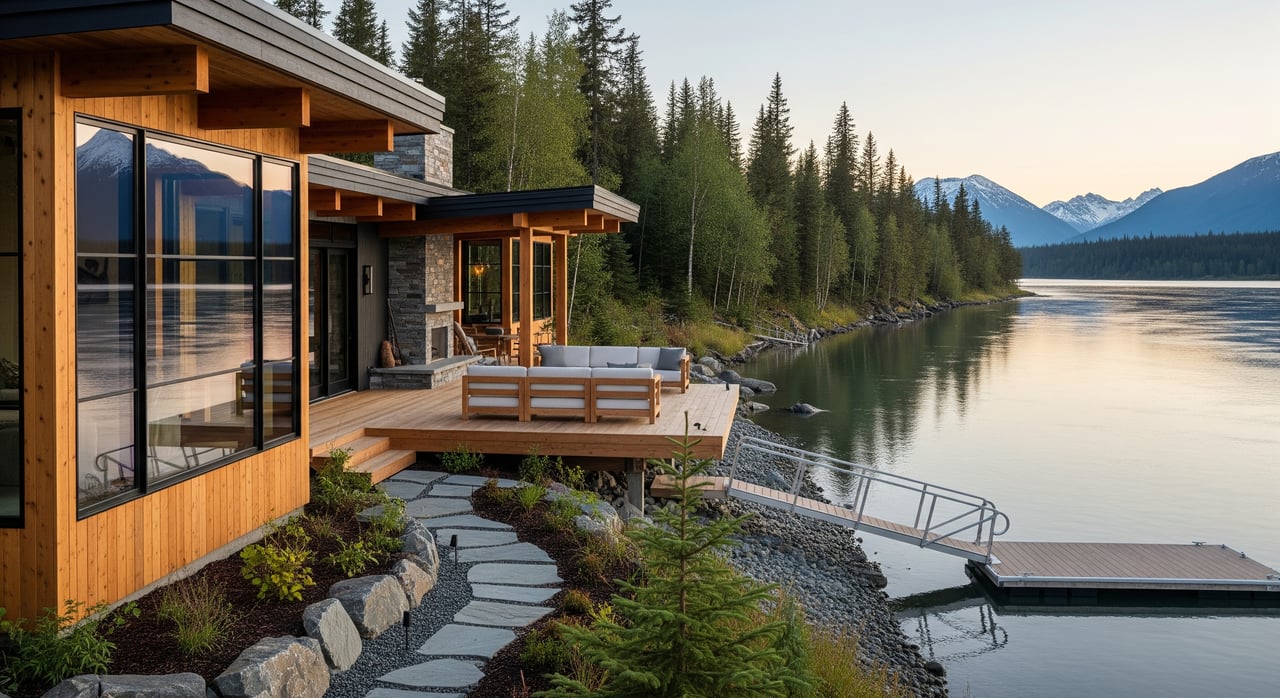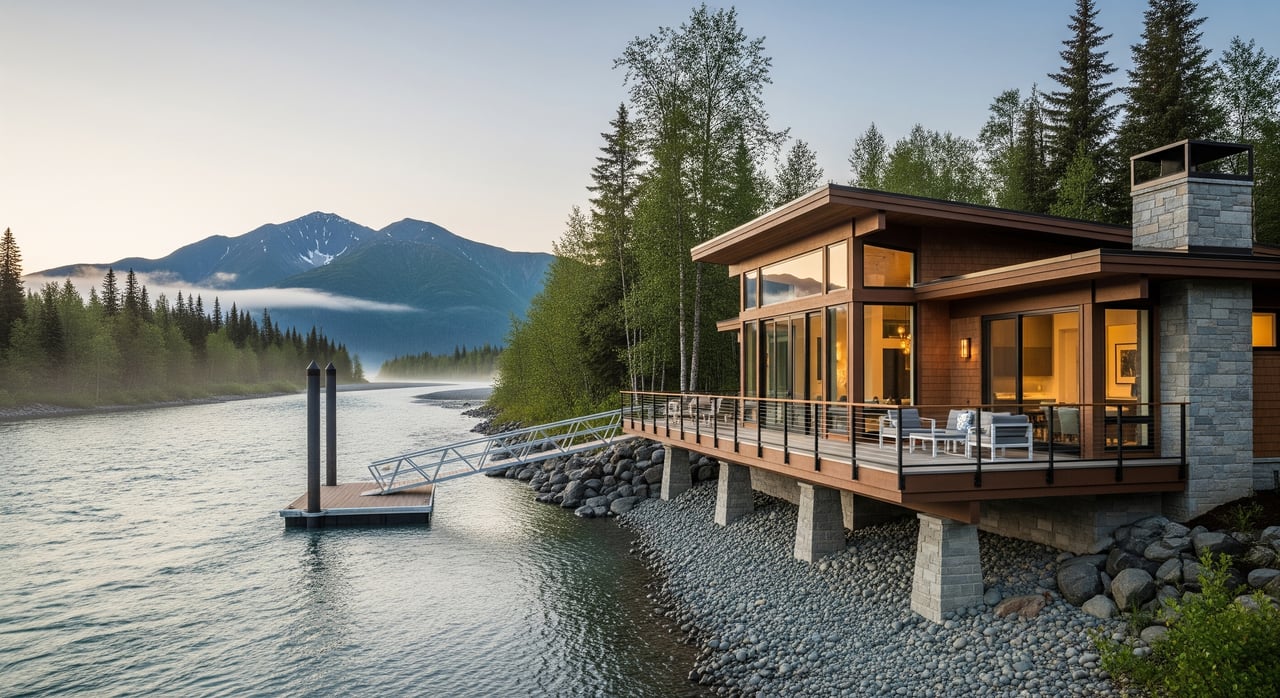
Thinking about buying a cabin or vacation rental near the Kenai River in Cooper Landing? The river’s world-class fishing and summer scenery can make ownership feel like a dream and a smart investment. Still, this market runs on short, intense seasons and unique rural rules. In this guide, you’ll learn what drives demand, how to model realistic cash flow, and which permits, risks, and operational details to check before you buy. Let’s dive in.
Why Cooper Landing attracts guests
Cooper Landing sits along the Sterling Highway and serves as a base for guided trips and adventures between Seward and the central Kenai. Visitor demand centers on a few powerful themes.
- Sportfishing leads the way, with salmon and trout drawing anglers from late spring through summer.
- Outdoor recreation is strong, including hiking, rafting, wildlife viewing, and fall hunting.
- Multi-night visitors often book cabins as a home base for guided activities on or near the river.
Visitor types usually include fly-and-fish tourists, multi-family vacationers renting cabins for a week or more, day-trip adventurers, and regional weekend anglers. A very small share of business travel or relocation stays shows up as well.
Seasonality and revenue timing
You will earn the bulk of your revenue in a narrow window. Plan your underwriting accordingly.
- Peak season: Late May through August sees the highest rates and occupancy, driven by salmon runs and summer travel.
- Shoulder seasons: May and September bring moderate demand, often weather dependent and focused on specific angling or hunting windows.
- Off-season: October through April is quiet. Some owners shift to long-term winter tenants or leave homes vacant and winterized.
The implication is clear. Annual cash flow depends on maximizing peak months and managing costs the rest of the year. Your pro forma must reflect higher vacancy outside summer.
Access and features that matter
Road and travel
Cooper Landing is accessed by the Sterling Highway. Summer road conditions are generally good. In winter, snow and ice can slow travel and affect occupancy. If your property caters to boaters and anglers, proximity to public river access, ramps, and pullouts will influence desirability.
Action: Verify drive times to Anchorage, Soldotna/Kenai, and Seward for each property you consider, and map the closest boat launches.
Utilities and site systems
Many properties rely on private wells or hauled water and on-site septic systems. These systems carry real performance and permitting considerations.
- Water: Confirm well yield and recent water quality testing.
- Septic: Request permits, age, inspection records, and pump history. Peak occupancy can stress older systems.
- Electricity: Service is generally reliable, but remote sites may see more outages. Some owners keep backup generators.
Action: Ask for utility bills, well tests, and septic records during due diligence.
Internet and cell service
Reliable broadband can be a booking differentiator and a remote-management essential. Coverage can be intermittent in rural Alaska. Verify provider options and speeds at the address, not just by zip code.
Roads and winter maintenance
Confirm whether access roads are public or private. Private roads can mean HOA fees or shared maintenance agreements, plus additional snow removal expenses.
Rules, taxes, and permits
Short-term rentals often require licensing and tax compliance. Regulations can evolve, so verify current rules before you buy.
- Short-term rental rules: Check the Kenai Peninsula Borough and any Cooper Landing requirements for business licensing, sales or bed taxes, occupancy limits, safety standards, and potential registration.
- Zoning and land use: Confirm allowed uses for nightly rentals, bed and breakfasts, or related commercial activities. The borough planning department and land records can clarify restrictions.
- River setbacks and easements: Riparian setbacks or special easements may shape building envelopes or river access improvements.
- Floodplain mapping: Properties near the Kenai River may fall within FEMA flood zones or face erosion risk. Ask about flood history and insurance availability.
Public contacts to consult include Kenai Peninsula Borough Planning and Zoning, Alaska Department of Natural Resources, Alaska Department of Environmental Conservation, Alaska Department of Fish and Game, and the FEMA Flood Map Service Center.
Environmental risks to evaluate
Riverfront settings bring unique risks and responsibilities.
- Riverbank erosion and channel migration: Review historical aerial imagery to understand how the river has shifted over time.
- Flood risk: Flood insurance needs and costs vary with FEMA zones and community participation in NFIP. Budget for premiums if required by your lender or risk profile.
- Wildlife exposure: Bears and other large wildlife are common. Plan for secure trash, guest education, and liability mitigation.
- Fuel and septic proximity: Tanks and drainfields near the river call for careful inspection to prevent contamination.
A strong insurance review is essential. Ask carriers about coverage for short-term rentals, seasonal vacancy, and river-related risks.
Short-term rental economics
Strong summer demand does not guarantee positive annual cash flow. You need realistic assumptions for rates, occupancy, and costs.
Key variables to estimate:
- ADR and occupancy by month
- Nights rented and total gross revenue
- Management, cleaning, utilities, marketing, insurance, taxes, and reserves
- Financing terms, closing costs, furnishing, and startup supplies
Expense patterns to expect:
- Management fees for high-turnover vacation rentals often run 20 to 35 percent of revenue.
- Utilities spike in winter if you heat year-round.
- Insurance on riverfront and STR use can carry higher premiums.
- Cleaning per booking becomes a notable line item in peak months.
Hypothetical pro forma example
The following example is illustrative only. Replace all figures with local market data and current quotes.
Assumptions:
- Purchase price: $500,000
- Loan: 25 percent down, 30-year amortization, 6.5 percent interest
- Annual operating estimates reflect strong seasonality
Illustrative revenue model:
- Peak (June–Aug): ADR $350, occupancy 75 percent → about 69 nights, revenue ≈ $24,150
- Shoulder (May, Sept): ADR $250, occupancy 45 percent → about 27 nights, revenue ≈ $6,750
- Off-season (Oct–Apr): ADR $150, occupancy 10 percent → about 21 nights, revenue ≈ $3,150
- Total nights rented ≈ 117; gross revenue ≈ $34,050
Illustrative annual expenses:
- Management (25 percent): ≈ $8,513
- Cleaning and supplies: example $7,500 (adjust to actual turnovers)
- Property tax: example $3,500
- Insurance: example $3,000
- Utilities and maintenance: example $6,000
- Capital reserves (5 percent of revenue): ≈ $1,703
- Other (permits, marketing, accounting): example $2,000
- Total expenses ≈ $32,216
Net operating income before debt service is modest in this example. With the sample mortgage terms on $375,000, the model produces negative annual cash flow. Your outcomes can improve with higher ADR and occupancy in peak months, lower management costs, or a different financing structure. Use current STR comps and quotes for a realistic picture.
Sensitivity checks to run
- Test higher peak ADR ranges, for example $450 to $600, and occupancy of 80 to 95 percent in June and July.
- Model a winter strategy: long-term winter tenant, owner use, or full winterization with reduced utility spend.
- Stress test cleaning costs, management percentages, and maintenance. Remote properties often carry higher service pricing.
Due diligence checklist
When you find a candidate property, assemble documentation and verify records before you commit. The list below will keep you on track.
- Property identity: Deed, legal description, and tax assessor records.
- Zoning and use: Confirm nightly rental legality and any overlays or conditions.
- Taxes and business licensing: Property tax assessment, lodging or sales tax registration, and remittance obligations.
- Floodplain and erosion: FEMA maps, historical flooding, and river migration patterns.
- Riparian rights and easements: Public access, easements, and submerged lands issues.
- Utilities: Well permits and water tests, septic permits and pump history, electricity service details, and internet provider availability.
- Road access: Public or private status and any maintenance agreements.
- Environmental items: Wetlands, contaminated site checks, and fuel tank locations.
- Title and liens: Title commitment and any restrictive covenants.
- Building and safety: Permit history, inspection records, sleeping room egress, and fire safety.
- Insurance: Coverage options for STR use, seasonal vacancy, and river exposure.
- Market comps: Recent sales of river-adjacent properties and current STR benchmarks.
- Operations: Availability of cleaners, maintenance vendors, snow removal, and local property managers.
- Guide access: If pairing with guides, confirm licensing and on-site staging or parking rules.
- Additional permits: Docks, signage, or commercial activities that may require approvals.
Operations and guest experience
How you manage the property will shape your returns and your peace of mind.
- Management model: Self-manage, hire a local manager, or use a hybrid approach. High-turnover STRs often benefit from local management.
- Vendor team: Line up cleaners, linen service, plumbing and electrical pros, septic pumpers, snowplow operators, and wildlife or pest specialists.
- Safety and guest communications: Share river safety tips, wildlife precautions, and local emergency info. Install carbon monoxide detectors, maintain wood stoves or fireplaces, and provide life jackets if boating is part of the experience.
- Community relations: Set quiet hours, parking and trash rules, and guest screening standards. Monitor borough meetings for regulatory changes.
- Seasonal care: Winterize plumbing, consider heat tape and remote monitoring, and schedule off-season check-ins to protect your asset.
- Marketing: Highlight fishing access, river views, and how to reach the property. Set clear expectations for travel, provisioning, and launch proximity.
Practical next steps
- Gather market benchmarks: Use paid STR data or compile ADR and occupancy from current listings in Cooper Landing and nearby river towns.
- Confirm legality: Call borough Planning and Zoning and the borough clerk for current short-term rental, licensing, and tax requirements.
- Check hazards: Pull FEMA flood maps and review historical imagery to understand river behavior at the parcel.
- Verify utilities: Request utility bills, well and septic permits, water tests, and any inspection certificates.
- Build scenarios: Create three-year conservative, base, and optimistic pro formas. Vary peak ADR, occupancy, and management or cleaning costs. Reflect real seasonality.
- Interview locals: Speak with two property managers and two guides to understand guest flows, parking needs, and peak dynamics.
If you want a local partner to vet properties and coordinate due diligence, reach out to Gina Pelaia. With deep Kenai Peninsula experience and a network of trusted vendors, you will move from curiosity to confident action.
FAQs
How seasonal is short-term rental demand in Cooper Landing?
- Peak demand runs late May through August, shoulder seasons are May and September, and October through April is very quiet. Most revenue concentrates in summer.
What permits and taxes apply to river-area short-term rentals?
- You should confirm borough business licensing, lodging or sales tax remittance, occupancy limits, and safety standards with the Kenai Peninsula Borough and local offices before operating.
How do I check flood and erosion risk for a Kenai River property?
- Review FEMA flood maps, ask for any elevation certificates or flood history, and look at historical aerial imagery for river migration. Discuss flood insurance with your carrier.
What utilities and internet should I verify before buying in Cooper Landing?
- Confirm well yield and water quality, septic permits and pump history, electricity service reliability, and broadband provider availability and speeds at the property address.
Can winter rentals offset costs in Cooper Landing?
- Winter occupancy is low, but some owners use long-term winter tenants or block the season for personal use while reducing utilities. Model each option in your pro forma.