Is your Soldotna home really worth what you think it is, or has the market shifted under your feet? When you own property on the Kenai Peninsula, river access, flood zones, and seasonal demand can all move the needle on value. You deserve a clear, local answer grounded in data and the way buyers actually shop here. In this guide, you’ll learn what drives price in Soldotna, how a professional CMA is built, and how to position your home for the best outcome. Let’s dive in.
What drives value in Soldotna
River proximity and access
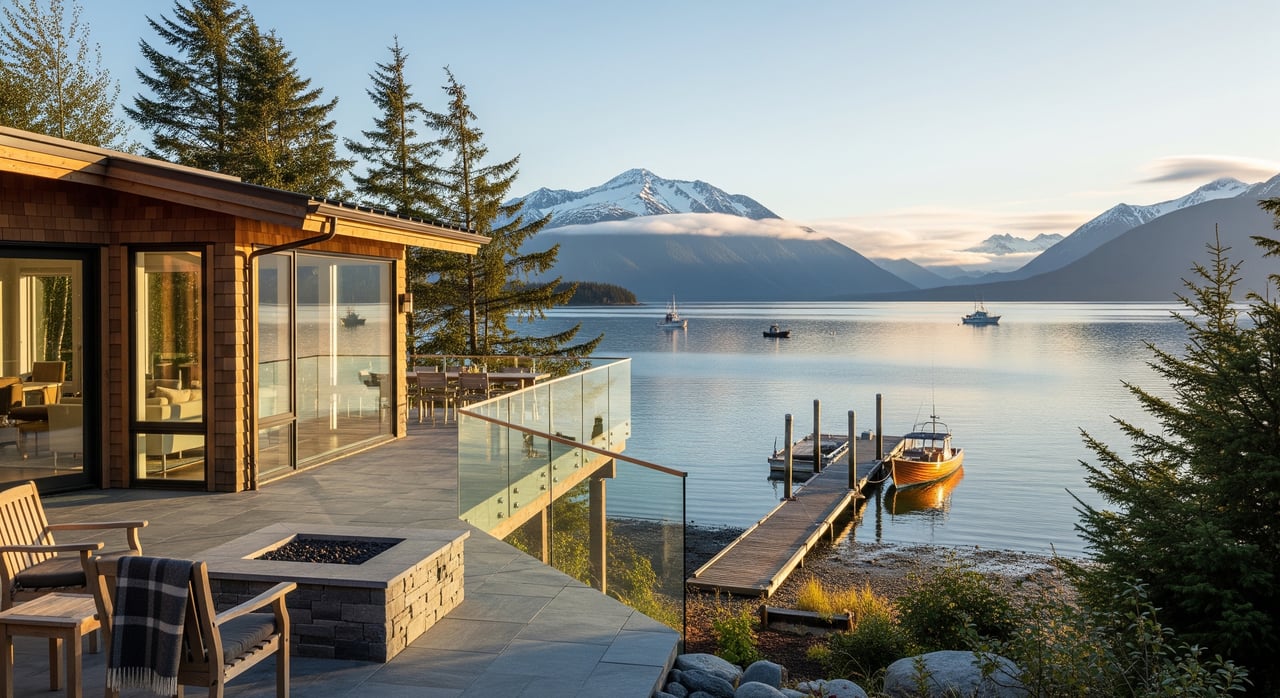
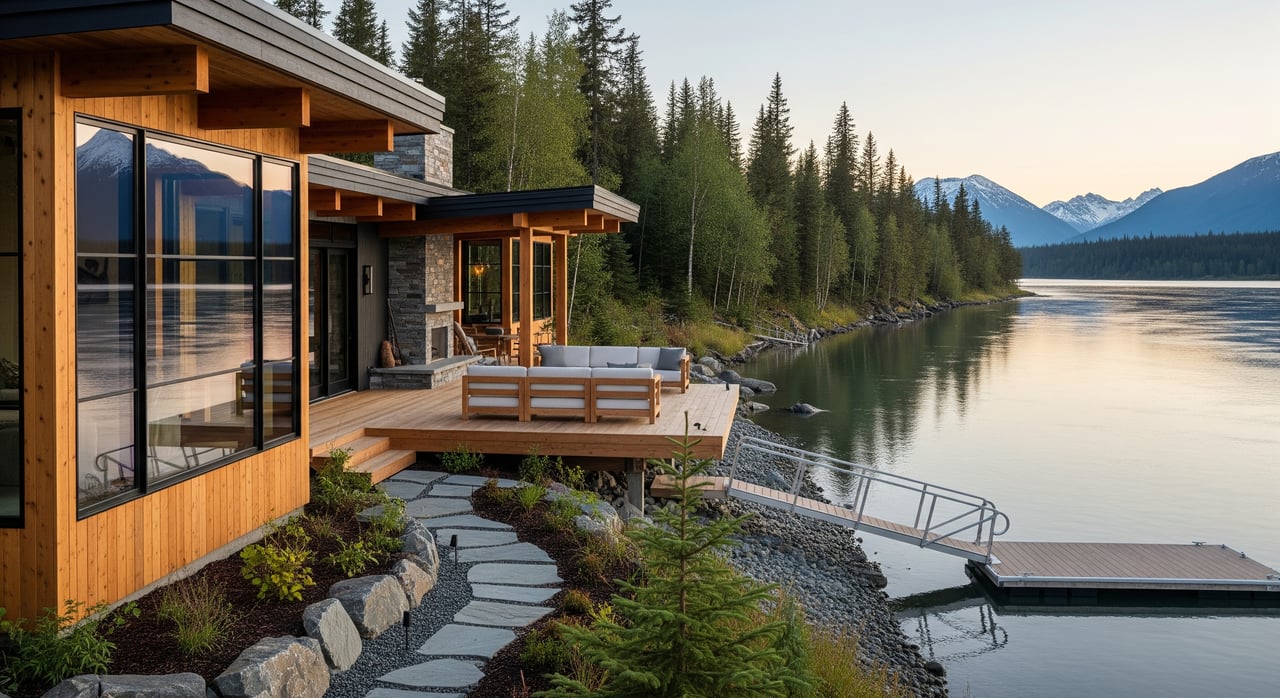
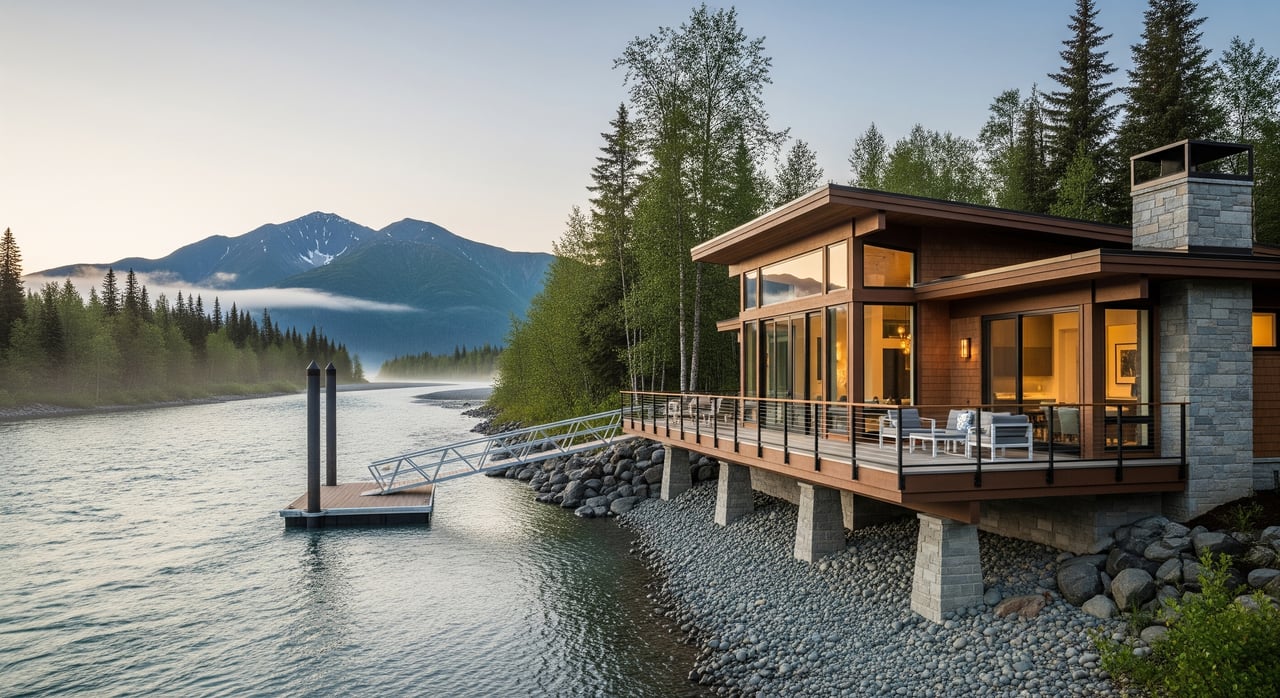
For many buyers, the Kenai River is the headline feature. Homes with direct river access, private frontage, or nearby launch options often command meaningful premiums. The exact impact depends on access type, views, and riparian rights. Treat riverfront as its own property class and compare it to other riverfront sales, not inland homes.
Flood risk and insurance
Proximity to waterways adds value, but it also brings flood considerations. Lenders and buyers look closely at FEMA flood zones, insurance requirements, and local floodplain rules. You can confirm your status using the official FEMA flood maps. If a home sits in a designated flood zone, that can affect marketability, financing, and long-term costs.
Distance to services and everyday access
Many year-round buyers prioritize proximity to Soldotna’s core services such as the business district, healthcare, and airport access. City lots with municipal water and sewer appeal to some, while others prefer acreage, privacy, or room for a shop. Your location influences which buyer pool you attract and how quickly you sell.
Lot size, topography, and outbuildings
Usable acreage, privacy, and flat, buildable land draw attention. Large shops, extra garage bays, boat storage, and RV parking add practical value that many Kenai Peninsula buyers seek. Zoning and land-use rules also matter, so verify allowable uses before marketing special features.
Condition and cold-climate systems
In Alaska, buyers ask about the roof, foundation, and any freeze-thaw or moisture history. Heating system type and age, crawlspace insulation, and windows all affect perceived quality and operating costs. Clear documentation of maintenance and upgrades can boost confidence during showings and appraisals.
Size, layout, and livability
Finished square footage, bedroom and bathroom counts, and usable basement space are core pricing inputs. A fully finished, code-compliant lower level is valued differently than storage or partial conversion. Make sure your square footage and room counts match public records or are properly documented.
Age and recent upgrades
Kitchens, baths, flooring, and mechanical systems tell buyers whether a home is move-in ready. Quality, permitted work tends to appraise better and reduces buyer uncertainty. Keep receipts and permit records for renovations to support your value.
Utilities and operating costs
Heating fuel type and availability, electricity rates, and municipal versus well and septic service shape your monthly costs. Buyers often weigh these expenses when comparing homes, so accurate utility information helps your pricing case.
Year-round access and roads
Driveway condition, winter access, and distance to maintained roads can be deciding factors. Clear, safe access during winter and mud season improves showings and expands your buyer pool.
Short-term rental potential
Some properties near river access or with guest accommodations may appeal to vacation rental buyers. Regulations and seasonality matter. Confirm local rules and factor operating costs and realistic occupancy into your pricing approach if you plan to market rental potential.
How pros price in Soldotna
Pick the right comps
Focus on the most recent Soldotna sales first. In an active segment, aim for 3 to 6 months of data, and widen to 6 to 12 months if turnover is slower. Keep your comp set geographically close, and match on key attributes: riverfront versus inland, finished square footage, beds and baths, age and condition, utilities, and presence of a shop or extra garage.
Make smart adjustments
Adjust for features that buyers will pay for in this market. That includes river frontage or access, lot size and topography, condition, finished versus unfinished basement space, number of garages or outbuildings, heating system type, energy efficiency upgrades, and recent permitted renovations. Document why each adjustment makes sense so you can defend your price during appraisal.
Use price per square foot with care
Price per square foot is a quick reference, not a rule. Small homes, riverfronts, or properties with large shops often skew the numbers. Use it as a sense-check after you account for location, condition, and unique features.
Spot and exclude outliers
Be cautious with estate sales, off-market transfers, or deals bundled with extra land. If terms or property type are not comparable, remove the sale from your comp set or clearly explain the adjustment.
Timing and seasonality on the Kenai
Buyer activity on the Kenai Peninsula typically rises in late spring and summer when travel is easier and fishing season brings more visitors. Many sellers choose to list in late spring to capture peak traffic. Winter listings can still work, but they may require sharper pricing, strong marketing, and careful planning around weather and access.
To understand overall trends and demand, keep an eye on state-level context from the Alaska Housing Finance Corporation and employment patterns reported by the Alaska Department of Labor. Local MLS data remains the best source for Soldotna-specific inventory and prices.
CMA vs appraisal vs BPO
What a CMA includes
A Competitive Market Analysis is your pricing roadmap prepared by a licensed broker. A strong CMA typically includes:
- Executive summary with an estimated value range
- 3 to 6 recent comparable sales with dates, prices, photos, and adjustment notes
- Analysis of active and pending competition, including list price and days on market
- Property condition notes and suggested pre-list repairs with rough cost ranges
- Pricing recommendation with expected days on market
- Marketing timing guidance based on seasonality
- A documentation checklist, including flood maps, permits, utility bills, and inspection reports
Turnaround and process
With MLS access and basic property details, you can usually get a tailored CMA in 24 to 72 hours. More detailed inspections or specialty reports will take longer, but the CMA gets you a reliable starting point fast.
How an appraisal differs
An appraisal is ordered by a lender and follows lender standards. Appraisers may use longer look-back periods or stricter comp rules, especially for rural or riverfront properties. They also flag issues that can affect loan approval, such as septic, well, foundation, or safety items.
When values differ
CMA and appraisal values can diverge if comps are limited, a property is highly unique, or a lender is conservative about special features. You can reduce surprises by documenting upgrades, providing relevant riverfront comps, and addressing repair items that might limit VA or FHA financing.
A smart pre-list checklist
Get your paperwork and property in order before you go live. You will save time and avoid renegotiations.
- Pull recent MLS comps and confirm details with borough records
- Review Kenai Peninsula Borough tax history and property data
- Check your address on the official FEMA flood maps and any local floodplain overlays
- Gather permits for renovations or additions
- Compile recent inspection reports, plus septic and well records if applicable
- Estimate deferred maintenance and get quotes for major items
- Collect receipts and photos for upgrades, including energy improvements and mechanicals
- Photograph key features such as river access, views, garage or shop space, and exterior maintenance
For borough records and assessments, start with Kenai Peninsula Borough property records so your listing details match official data.
Pricing strategies that fit your goals
- Competitive pricing: List at or slightly below estimated market value to draw more buyers and shorten days on market. This can be effective in peak season.
- Market pricing: List at estimated market value to balance time and price. Works well when your home is aligned with recent comps.
- Aspirational pricing: List above market to test demand. Expect longer market time and potential price reductions if you do not see strong activity.
Plan for appraisal gaps in advance. Options may include price adjustments, seller credits, or buyer financing strategies that keep the deal moving if the appraisal comes in lower than the contract price.
Local rules, insurance, and costs
Property taxes, flood requirements, and permits can affect both value and your net proceeds. Confirm assessments and any special taxes with the borough. Review floodplain status, since insurance requirements and building rules can apply in designated zones. Unpermitted work can limit financing options, so gather records early. Insurance availability and cost, especially for river-adjacent properties, will influence buyer demand and should be disclosed upfront.
What to expect from a Gina CMA
When you request a CMA, you get a clear value range and a plan to list with confidence. Here is what you can expect:
- A data-driven summary of value with 3 to 6 well-matched comps
- An adjustment explanation for river frontage, condition, shop space, and utilities
- A head-to-head review of competing listings and pending sales
- Specific pre-list recommendations that improve your net, plus simple timelines
- Seasonal advice on when to launch and how to position price
- A short list of documents to gather so you are ready for showings and appraisals
Most CMAs can be completed within 24 to 72 hours once you share your property details. If you plan to sell soon, getting this done early helps you choose timing, budget for touch-ups, and set a price that sticks through appraisal.
Ready to see where your Soldotna home stands today? Reach out to Gina Pelaia for a local, no-pressure conversation and a fast, tailored CMA.
FAQs
How is Kenai River frontage valued in Soldotna?
- Treat riverfront as its own category and compare to other riverfront sales. Premiums vary by direct access, private frontage, views, and riparian rights, so the best guide is recent, nearby riverfront comps.
How quickly can I get a CMA for my Soldotna home?
- With property details and MLS access, a thorough CMA usually takes 24 to 72 hours, with more time needed for specialty inspections or complex properties.
Will my Soldotna home appraise for the list price?
- It depends on comps and property condition. Appraisers follow lender standards and may be conservative, so document upgrades, provide relevant comps, and address items that could limit VA or FHA financing.
What repairs matter most before listing in Soldotna?
- Prioritize safety and systems first, including roof, heating, septic and well, electrical, and any moisture or foundation items. Then focus on visible upgrades like kitchens, baths, and exterior maintenance.
How does flood zone status affect value and sale time?
- If your home is in a FEMA-designated flood zone, lenders may require flood insurance and compliance with local floodplain rules, which can affect buyer costs and timelines. Confirm status using the official FEMA flood maps.
When is the best time to list a home in Soldotna?
- Late spring through summer generally brings more buyer activity due to travel and fishing season. Winter listings can still succeed with sharper pricing, strong marketing, and attention to access and showing conditions.