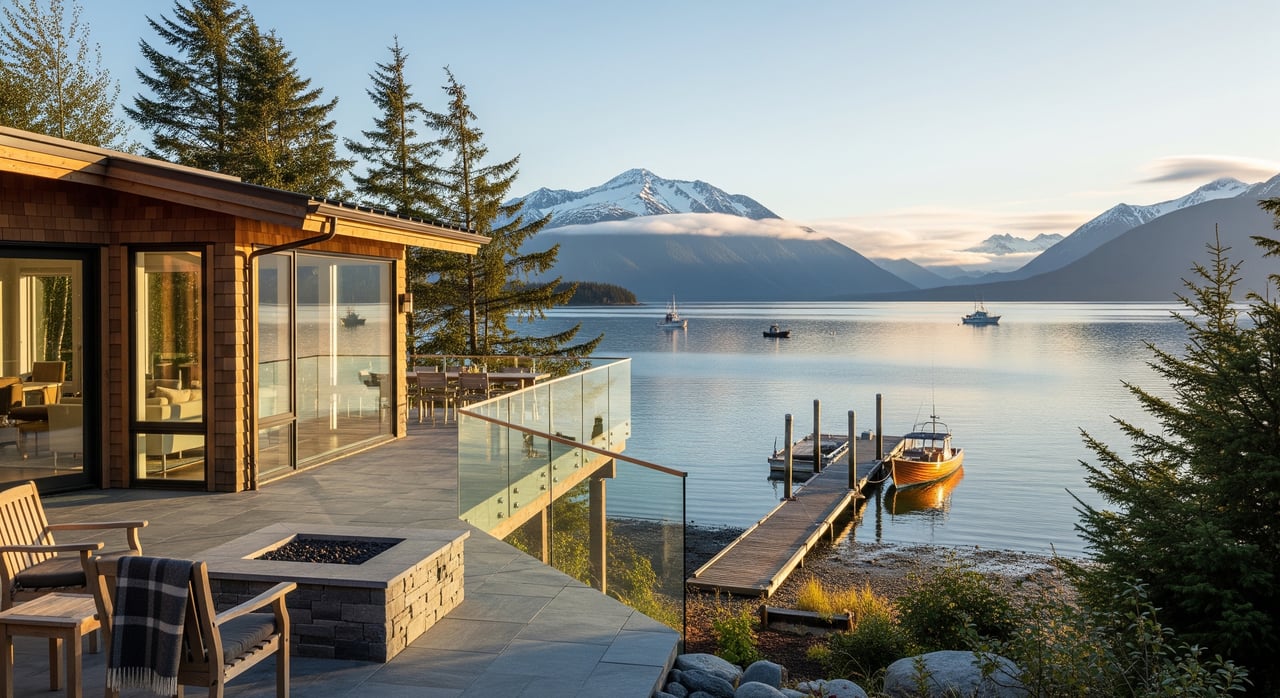
Ever picture yourself at the end of the road, watching eagles circle above Kachemak Bay with a fresh halibut fillet on tonight’s menu? If Homer has your heart, you also want the real story on weather, costs, daily routines and what it takes to thrive here. You’ll find practical insights on seasons, housing, services and lifestyle, so you can decide if 99603 fits your goals. Let’s dive in.
Homer at a glance
Homer sits at the southern tip of the Kenai Peninsula, where the Sterling Highway meets the bay. It is a working harbor town with a creative streak, serving nearby villages and the broader peninsula. You’ll see a mix of fishing, seafood processing, tourism, arts and public‑sector jobs. Life is seasonal, with summer bringing more visitors, charters and retail activity.
The cost of living runs higher than the U.S. average. Remoteness adds freight and fuel costs, and many goods arrive by barge or long‑haul trucking. Year‑round jobs center on public services, healthcare and commercial fishing, while many private roles ramp up in late spring and wind down in early fall.
Seasons and daylight in 99603
Living near 60 degrees north latitude means big swings in daylight. Expect long, glowing summer evenings and short winter days that reshape routines.
Summer rhythm
From late May through September, Homer hums. Fishing, boating and festivals fill the calendar. Construction and maintenance projects stack up, and businesses extend hours. With 18 to 19 hours of daylight near the solstice, you can hike after dinner, garden late and still watch sunset streak across the bay.
Shoulder seasons
Spring and fall can be windy, foggy and beautifully moody. Rain gear gets regular use, yet you also catch clear days with bird migrations and great fishing. Some seasonal businesses scale back, so you plan errands and outings around weather windows.
Winter pace
November through March is quieter and more local. Average winter highs are often above 20°F, moderated by the bay’s marine influence. You’ll spend more time on maintenance, indoor projects and community events. With roughly 5 to 6 hours of daylight near December’s solstice, you learn to make the most of midday and embrace good lighting at home.
Weather and what it means day to day
Homer’s maritime climate is milder than interior Alaska but cooler and wetter than most places in the lower 48. Weather changes fast. Fog can roll in, winds can pick up and rain can linger in shoulder seasons. Snow does fall, but persistent deep cold is less common than inland.
These conditions shape routines. Good boots, waterproof layers and extra windshield wiper fluid are everyday staples. Driveway drainage and roof upkeep matter. Snow and seasonal melt can affect access on some roads and trails, so flexibility is key.
Everyday life and essential services
Groceries and shopping
Homer has grocery stores, hardware shops and local markets for daily needs. Specialty and niche items can be limited or pricier, so many residents plan bigger purchases ahead or arrange freight shipments. Bulk buying and pantry planning help reduce last‑minute runs.
Utilities and heating
Electricity is served by a local cooperative. Heating fuel choices commonly include oil, propane and wood. Delivery schedules, tank maintenance and price swings are all part of household budgeting. In town you’ll usually find municipal water and sewer. Some outlying properties rely on wells and septic systems.
Internet and remote work
Broadband options have improved, but speeds and reliability can vary by neighborhood. Many residents pair wired internet with cellular or satellite backup. If you work remotely, verify service for a specific address and consider a contingency plan for outages.
Getting around
Homer connects by road via the Sterling Highway, with Anchorage about a 4 to 5 hour drive depending on conditions. Winter driving requires confidence on snow and ice. The regional airport offers scheduled and charter flights to nearby hubs, though carriers and schedules can change. Marine options include a working harbor and seasonal ferry or charter services. Weather can disrupt air and marine travel, so build in buffer time for important trips.
Housing and neighborhoods
Home styles you will see
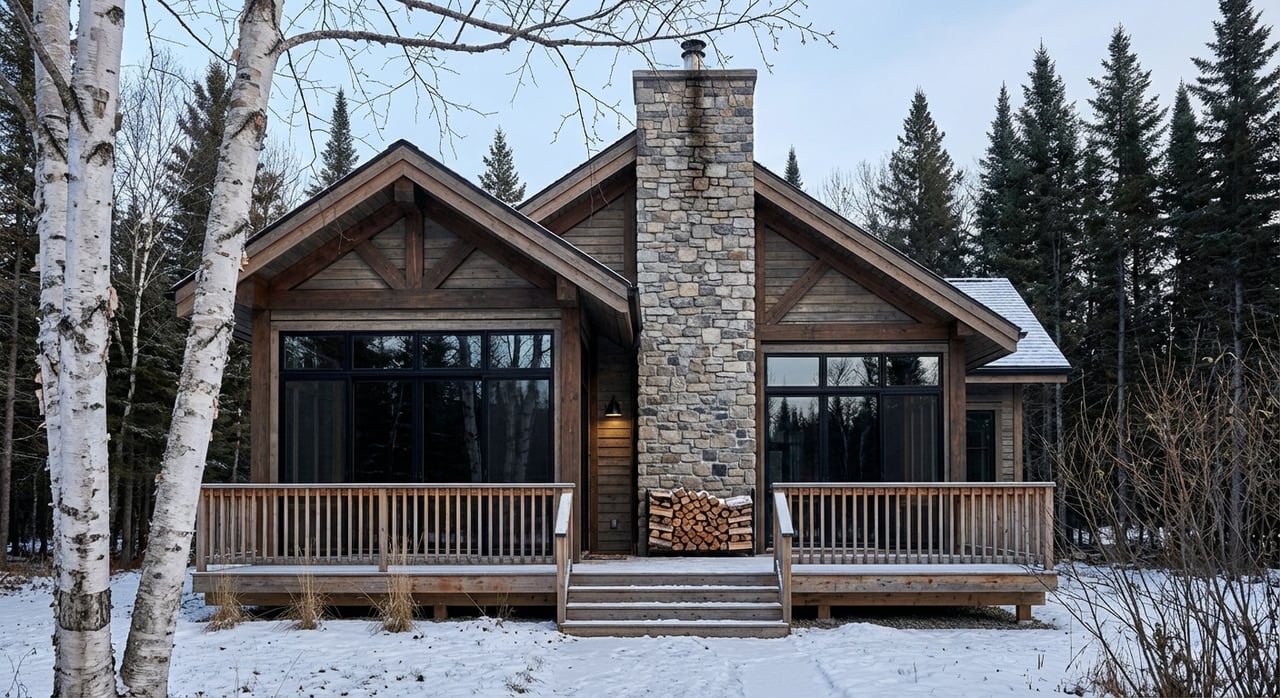
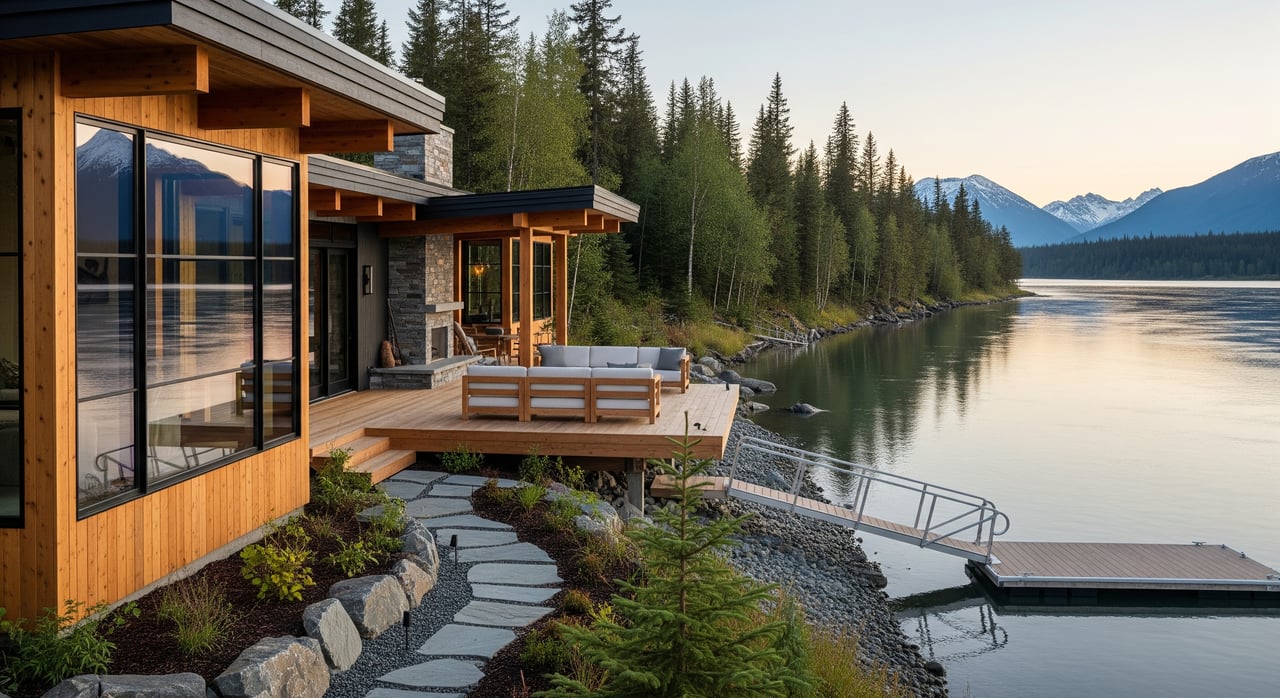
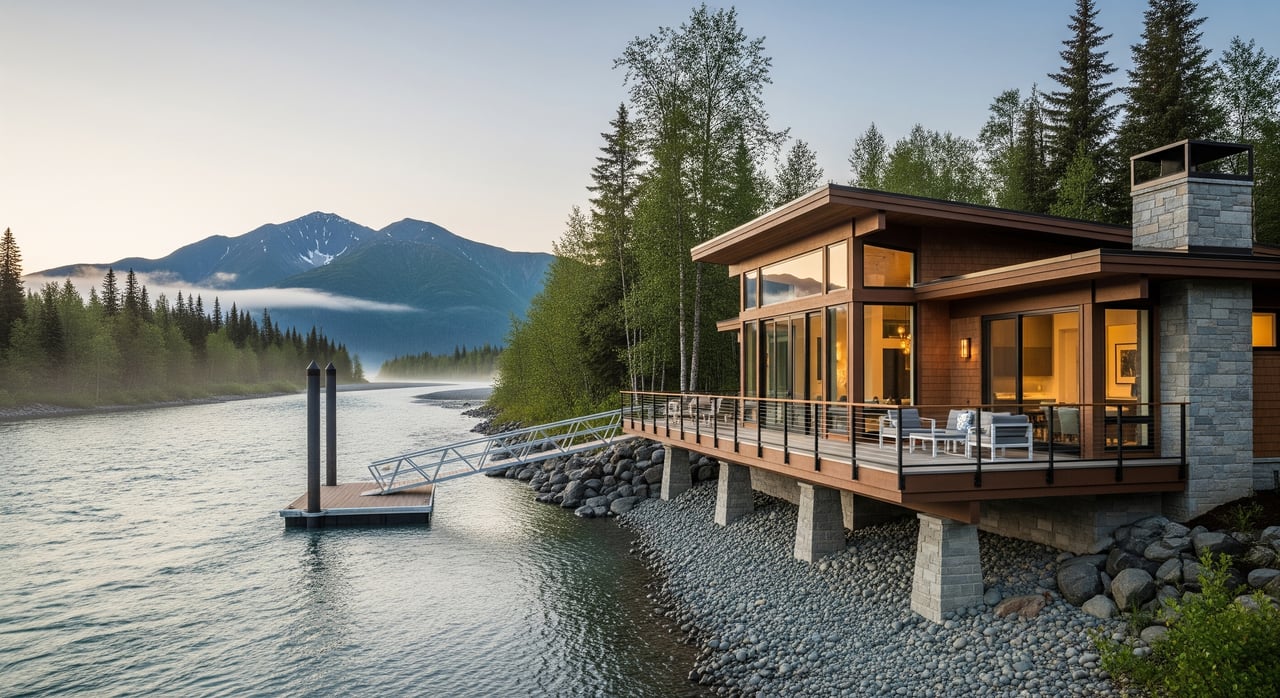
Housing ranges from in‑town single‑family homes to hillside properties with bay views, classic cabins, log and timber builds, duplexes and seasonal rentals. Waterfront and view homes often command premium prices. Inventory can be tight, especially in peak seasons and for second‑home buyers.
In town vs. out of town
In‑town locations offer convenience and municipal services. Rural parcels may bring more privacy, acreage and well or septic systems. Evaluate driveway grades, winter access, sun exposure and wind patterns. If you value walkability to shops and the harbor, in‑town may fit better. If you want elbow room and panoramic views, hillside or out‑of‑town areas might be ideal.
Building and maintenance
Construction moves fastest from late spring through early fall. Shipping materials takes lead time and adds cost. Coastal exposure means paying attention to corrosion, roofing, moisture control and heating systems. Foundations and drainage should be designed for local wind and load conditions.
Taxes, insurance and permits
Property taxes are set at the borough and city levels. Insurance costs can be higher due to coastal exposure and remoteness, and coverage varies by carrier and location. The City of Homer and Kenai Peninsula Borough regulate land use, septic and well requirements. Coastal properties may have special shoreline considerations. Always review local codes and hazard maps before you commit.
Schools, healthcare and community
Homer is served by the Kenai Peninsula Borough School District. You will find middle and high schools in town and multiple elementary options. Programs evolve, so check the district for current locations, enrollment and extracurriculars. Early childhood care exists, though like many small communities, openings can be limited and waitlists are common.
Healthcare needs are supported by a local hospital and clinics that provide emergency care, primary care and some specialties. For advanced or highly specialized treatment, medevac or travel to Anchorage is the norm. Many residents review medevac coverage as part of their planning.
Volunteerism runs deep. Libraries, nonprofits and civic groups anchor social life and events. If you want to plug in, there are many ways to contribute time and skills.
Play outside: recreation and culture
Homer is a gateway to world‑class fishing for salmon and halibut, along with boating, kayaking and shellfishing in Kachemak Bay. Trails and coastal camping in nearby Kachemak Bay State Park are accessible by boat. Wildlife viewing and birding are exceptional. Learn bear and moose safety, manage attractants at home and keep pets under control for everyone’s well‑being.
The arts scene is lively, especially in summer. Galleries, studios, museums and festivals showcase local talent. Seafood and subsistence harvests shape the food culture and many families’ annual rhythms.
Is Homer right for you? Quick checklist
- You enjoy small‑town living with a seasonal pace and a strong outdoor culture.
- You are comfortable budgeting for higher shipping, fuel and grocery costs.
- You have a plan for winter driving, lighting and indoor projects.
- You can verify internet needs for work and set an outage backup plan.
- You are excited about fishing, boating, hiking or beachcombing on your days off.
- You are ready to maintain roofs, drainage and heating systems in a coastal climate.
- You will check local permits, shoreline guidelines and insurance before you buy.
How Team Gina helps you move with confidence
If Homer is on your horizon, you deserve a local guide who understands the bay, the neighborhoods and the seasonal market. Team Gina Pelaia brings nearly three decades of experience across entry‑level homes, luxury waterfront, acreage, remote land, commercial listings and property management. Whether you are relocating, exploring a second home or preparing to sell, you will get high‑touch service, clear communication and polished marketing backed by a respected national brand.
Ready to explore 99603 with a trusted local? Start a conversation with Gina Pelaia.
FAQs
How remote is Homer and how do you get there?
- Homer is road‑accessible via the Sterling Highway, with regional air service and seasonal marine options. Weather can affect travel, so plan buffer time for key trips.
What is winter really like in Homer?
- Winters are colder than most of the lower 48 but moderated by the bay. Expect short daylight, variable snow and frequent wind or rain in shoulder months.
Can I work remotely from Homer?
- Yes, many people do. Verify address‑specific broadband and consider cellular or satellite backups to handle outages or peak‑season variability.
What should I know about buying on the coast?
- Coastal lots can face erosion, storm surge and insurance considerations. Review hazard maps, shoreline rules and permitting with local agencies before you buy.
How long is the building season in 99603?
- The most productive outdoor construction window runs from late spring into early fall. Plan around shipping lead times and contractor availability.
Where do residents go for medical care?
- Routine and emergency care are available locally. For complex or specialized needs, expect travel or medevac to Anchorage and review coverage options.
Are short‑term rentals allowed in Homer?
- Short‑term rentals operate in the area, and rules vary by location. Check current city and borough regulations and consider neighborhood impacts before investing.