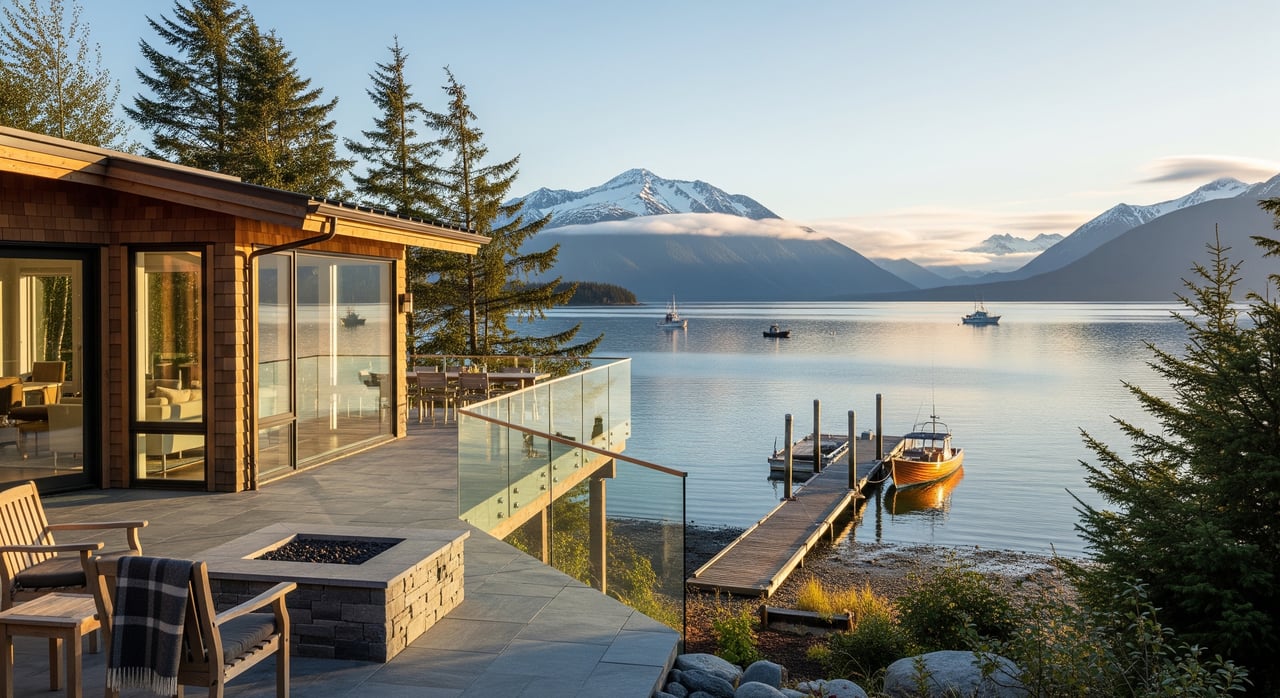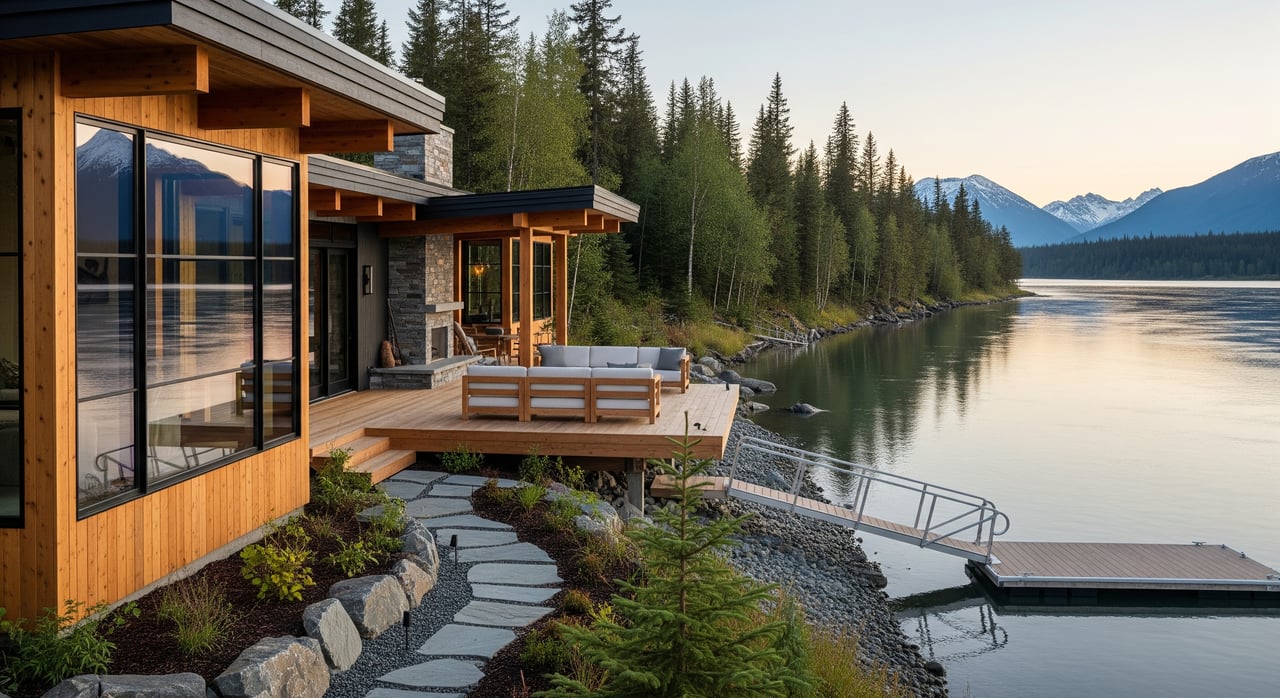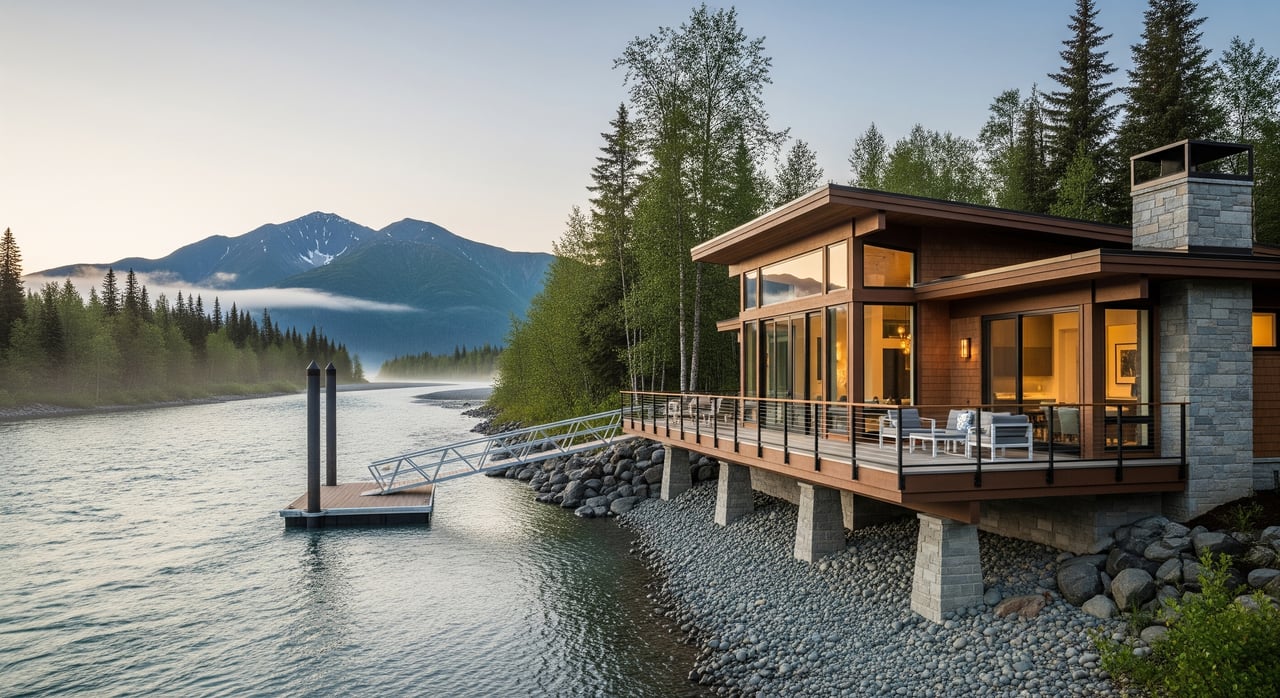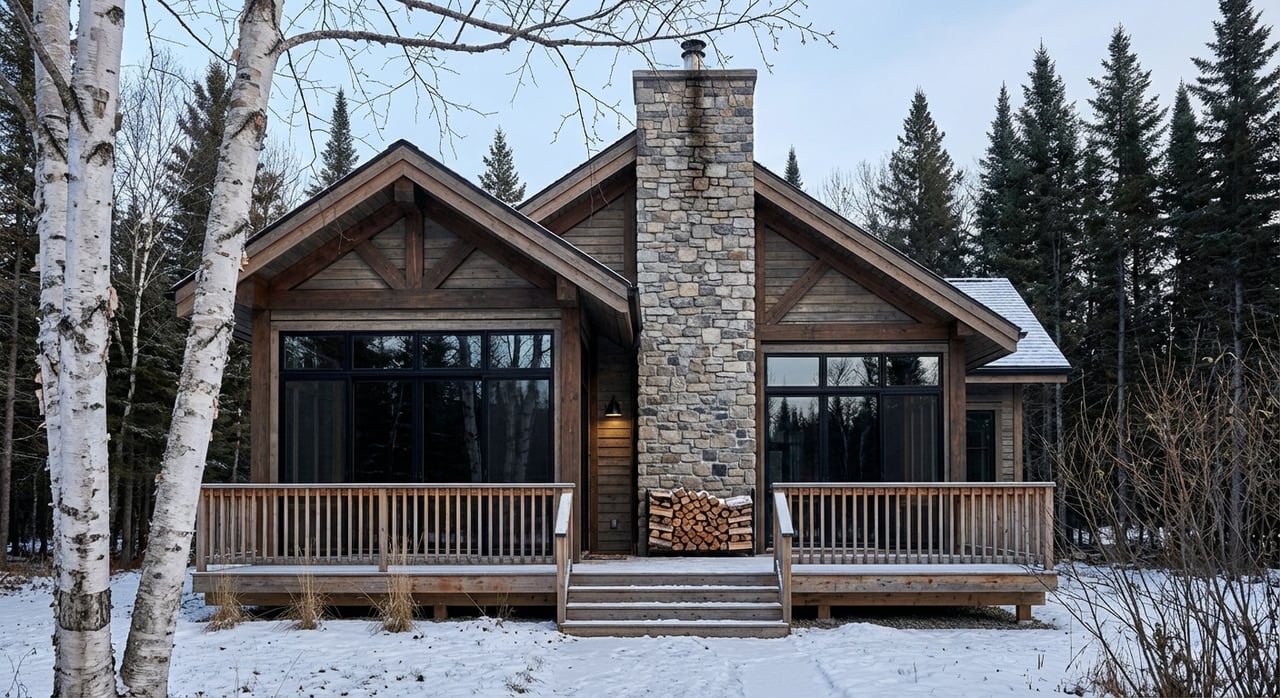
When the last raft drifts by and the tour buses roll out, Cooper Landing exhales. If you have ever wondered what life feels like here once the crowds thin, you are not alone. You want quiet, scenery, and real community without giving up the essentials. In this guide, you will learn what daily life looks like after summer, from winter weather and travel to services, internet, healthcare, and homeownership logistics. Let’s dive in.
Cooper Landing at a glance
Cooper Landing sits where Kenai Lake feeds the Upper Kenai River, right along the Sterling Highway. It is about 100 miles from Anchorage, roughly 45 miles to Soldotna, and about 47 miles to Seward. For trip planning and road status, locals point newcomers to the Chamber’s driving overview with its reminder to check Alaska 511 for conditions on stormy days. You can view those travel basics on the Chamber’s maps and directions page.
According to the 2020 U.S. Census count, the year‑round population is 344, which explains the town’s small, close‑knit feel. In summer, the number of people in town swells with guides, visitors, and seasonal workers. By late fall, the rhythm shifts to a true off‑season pace.
- Read about the town’s distances and travel tips on the Cooper Landing Chamber’s maps and directions page.
- See the official 2020 population baseline on the U.S. Census TIGERweb listing.
What winter actually feels like
Winters here are cold, snowy, and beautiful. Station normals for the Cooper Landing area show typical January daytime highs in the mid‑20s °F, with average annual snowfall around 75 to 80 inches. Conditions at individual properties can vary with elevation and exposure, so what you feel on the river flats may differ from a hillside a few miles away. For a climate baseline, review the local station normals summarized by GGWeather.
Daylight is short in mid‑winter, which changes daily routines. Many residents plan errands and travel windows around light and weather. On clear nights you may catch the aurora, and on snowy mornings you will likely hear plows and see neighbors moving snow.
Getting around in the off‑season
The Sterling Highway is maintained year‑round. Travel is usually reliable, but storms can bring whiteouts, drifting snow, and ice that slow things down. Studded or winter tires, an emergency kit, and a flexible schedule are standard. Before longer trips, locals check the Chamber’s travel resource page, which highlights the value of Alaska 511 for live conditions. Start with the Chamber’s overview on maps and directions.
If you need to reach services, plan your time. Soldotna is the main retail and hospital hub about 45 road miles away. Seward offers coastal access and additional shopping around 47 miles away. In poor weather, those drives take longer than they do in July, so give yourself margin.
Healthcare and emergencies
For emergency and hospital care, residents look to Central Peninsula Hospital in Soldotna, which maintains an emergency department and a full range of inpatient and outpatient services. For more complex cases, transfers to Anchorage can occur. Learn about services and departments at Central Peninsula Hospital.
Local response in Cooper Landing is volunteer‑based. Cooper Landing Emergency Services is listed with the Alaska Department of Public Safety as a registered fire and EMS entity. Volunteer staffing can affect response times and capabilities, so it is smart to understand how help is dispatched and how medevac works for your address. You can confirm the local registration on the Alaska DPS fire and EMS listing.
Year‑round services, fuel, and supplies
Outside summer, services operate on fewer hours. The town supports a small set of gas stations, a post office, and a handful of lodges and outfitters. Many restaurants and guided operations reduce hours or close for the season. Most larger grocery runs and specialty shopping happen in Soldotna, or you plan ahead and order for delivery or pickup. For current business listings and seasonal updates, check the Chamber’s Our Town page.
Fuel and supplies matter more in winter. Residents often track propane or heating oil levels, keep a wood supply if they heat with wood, and schedule deliveries well before storms. Snow removal, generator maintenance, and vehicle winterization also move to the top of the list before freeze‑up.
Internet and cell coverage
Coverage is strongest close to the highway corridor and can drop off quickly in the side valleys. Some households combine DSL, fixed wireless, cellular, or satellite to get reliable service, depending on exact location. Before you buy, verify providers at the property address and ask neighbors what works. Campground listings and user notes also reflect coverage patterns in the area. For a quick snapshot near the river, see the notes on Campflare’s Cooper Creek site page.
Winter recreation, done safely
Quiet trails, ski tracks, winter fishing, and aurora viewing are part of the appeal. Many residents cross‑country ski, snowshoe, or snowmachine when conditions allow. That said, avalanche risk exists in nearby mountain terrain and along popular backcountry corridors. Recent winters have included serious incidents in the wider region. For context on risk, review this Weather.com report on regional avalanche events and always check current forecasts before heading out. You can monitor local weather stations and avalanche guidance through OpenSnow’s Cooper Landing area page.
If you are new to winter travel or backcountry sports, consider an avalanche awareness class, carry the right gear, and go with experienced partners. Many residents also log their plans and keep communication devices charged before day trips.
Homeownership logistics to verify
Buying in Cooper Landing takes a little extra homework, especially for winter living. Use this checklist to keep the essentials front and center:
- Utilities and water: Confirm if the property uses a private well and septic. Ask for recent water tests if available.
- Heat source: Identify primary and backup heat types such as propane, fuel oil, wood, or electric. Request 12 months of utility and fuel bills.
- Fuel storage and delivery: Note tank sizes, current levels, delivery vendors, and refill schedules.
- Snow removal: Clarify who plows the driveway and private road. Ask about costs, trigger depths, and turnaround space for trucks.
- Power reliability: Ask about outages, generator size and age, and maintenance history.
- Internet and cell: Test service on site and confirm provider plans at the exact address.
- Access and parking: Confirm winter access for delivery trucks and safe parking for trailers or boats.
- Inspections and service records: Review chimney, stove, boiler, and septic inspection reports and any maintenance contracts.
- Emergency plan: Map the route to Soldotna, identify the closest EMS station, and save hospital and medevac contacts.
Housing market snapshot and timing
Inventory in Cooper Landing is limited, and many properties are unique. Riverfront or lodge‑style homes can push pricing higher than in other Kenai Peninsula communities. Selection is often tight, and what is available can change quickly. Before you get serious, check what is active and pending now on the Alaska MLS Cooper Landing area page.
If you find the right property, be ready with pre‑approval and a plan for inspections that fit the season. Some due diligence, like septic pumping or specific outdoor checks, may require coordination when snow is deep or ground is frozen.
Community life in winter
With only a few hundred year‑round residents, community spaces matter. The Cooper Landing Community Club and the Mona Painter Community Hall host meetings, potlucks, small fundraisers, and local events through the off‑season. Volunteering is a big part of how things get done here, and it is also how many newcomers make friends. Event calendars change month to month, so check directly with the club or the Chamber for current listings.
Daily life is simple and centered. Expect quieter roads, early nights, and a focus on maintenance, family, and outdoor time. If you prefer small gatherings over crowded dining rooms and do not mind planning shopping trips, the off‑season rhythm can be a perfect fit.
Off‑season living quick tips
- Build a winter‑travel kit: shovel, tow straps, warm layers, blankets, food, water, headlamps, and a charger.
- Keep tires, fluids, and wipers winter‑ready. Top off fuel when storms are forecast.
- Order heating fuel ahead of cold snaps and track delivery lead times.
- Save critical links: the Chamber’s maps and directions page for road checks, Central Peninsula Hospital for care, and OpenSnow for forecast updates.
- Confirm local volunteer‑EMS details on the Alaska DPS listing and keep a written emergency plan at home.
- For shopping, set a cadence for Soldotna trips and consider bulk orders for pantry items and pet supplies.
- For internet, test options on site and plan a backup like cellular or satellite if you work remotely.
Ready to explore properties that match the off‑season lifestyle you want? Reach out to Gina Pelaia for local guidance and a smooth plan to purchase on the Kenai.
FAQs
What is winter weather like in Cooper Landing compared to summer?
- Expect January daytime highs in the mid‑20s °F and roughly 75 to 80 inches of average annual snowfall, unlike the milder, busier summer season. See station normals via GGWeather.
How far are major services and hospitals from Cooper Landing in winter?
- Central Peninsula Hospital in Soldotna is about 45 miles by road, with additional services in Seward and Anchorage; plan extra time in storms and review care options at Central Peninsula Hospital.
Do roads stay open during storms on the Sterling Highway?
- The Sterling Highway is maintained year‑round, but speed restrictions, whiteouts, and icing can occur; check the Chamber’s maps and directions page for planning and Alaska 511 reminders.
What internet and cell options should I expect at a Cooper Landing home?
- Coverage varies by address; many residents use a mix of DSL, fixed wireless, cellular, or satellite. Verify at the property and review local notes such as Campflare’s Cooper Creek page.
How is emergency response handled in Cooper Landing?
- Local services are volunteer‑based and listed with the state; understand local capabilities and medevac plans and confirm details on the Alaska DPS fire and EMS listing.
Is winter backcountry recreation safe near Cooper Landing?
- Risk varies by day and location; review avalanche events on Weather.com and always check current forecasts on OpenSnow before heading out.