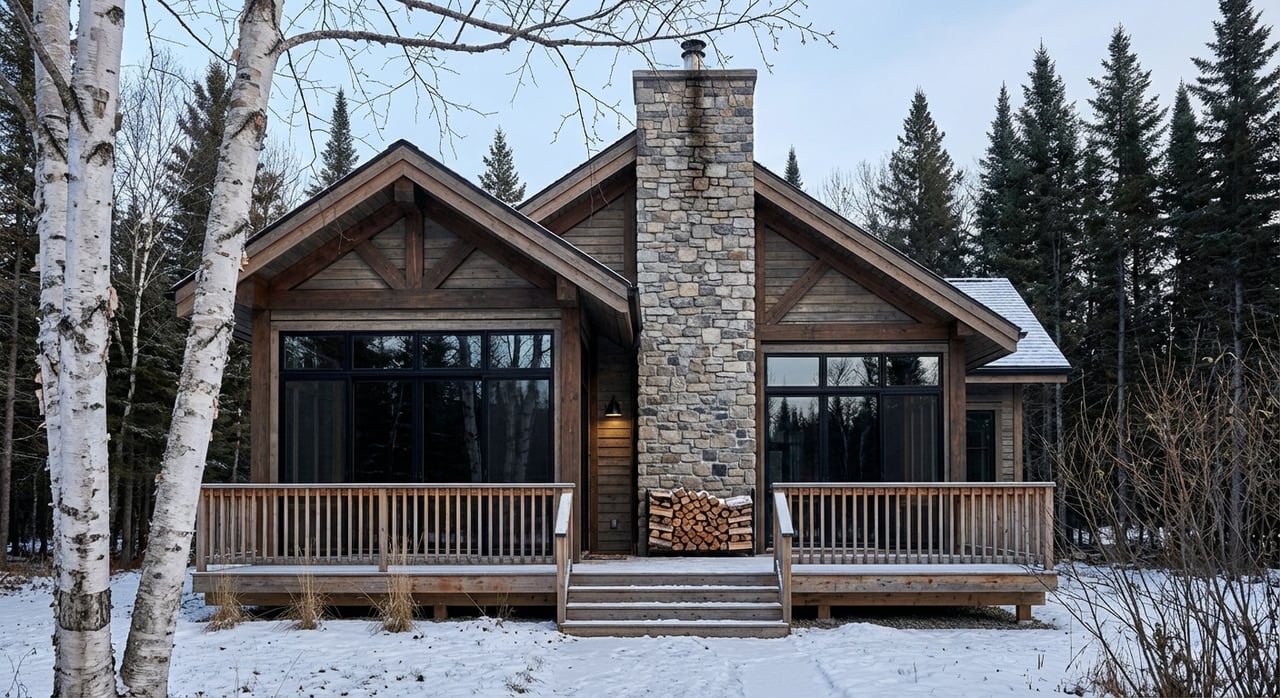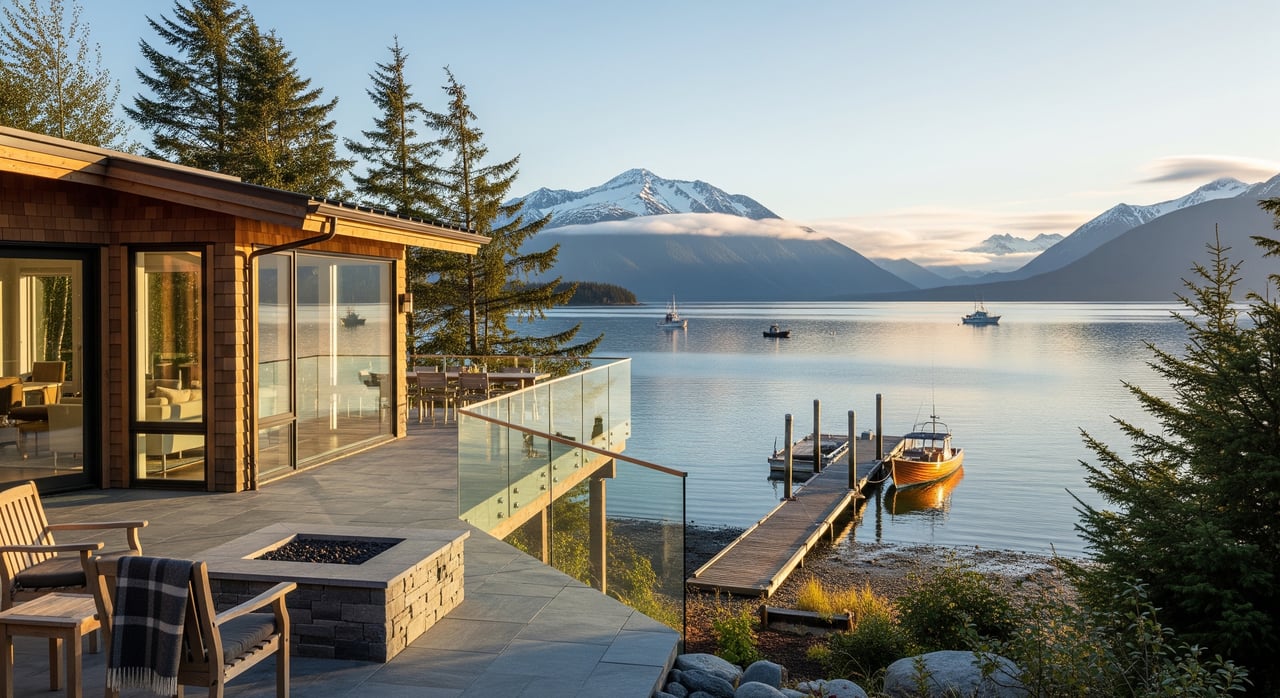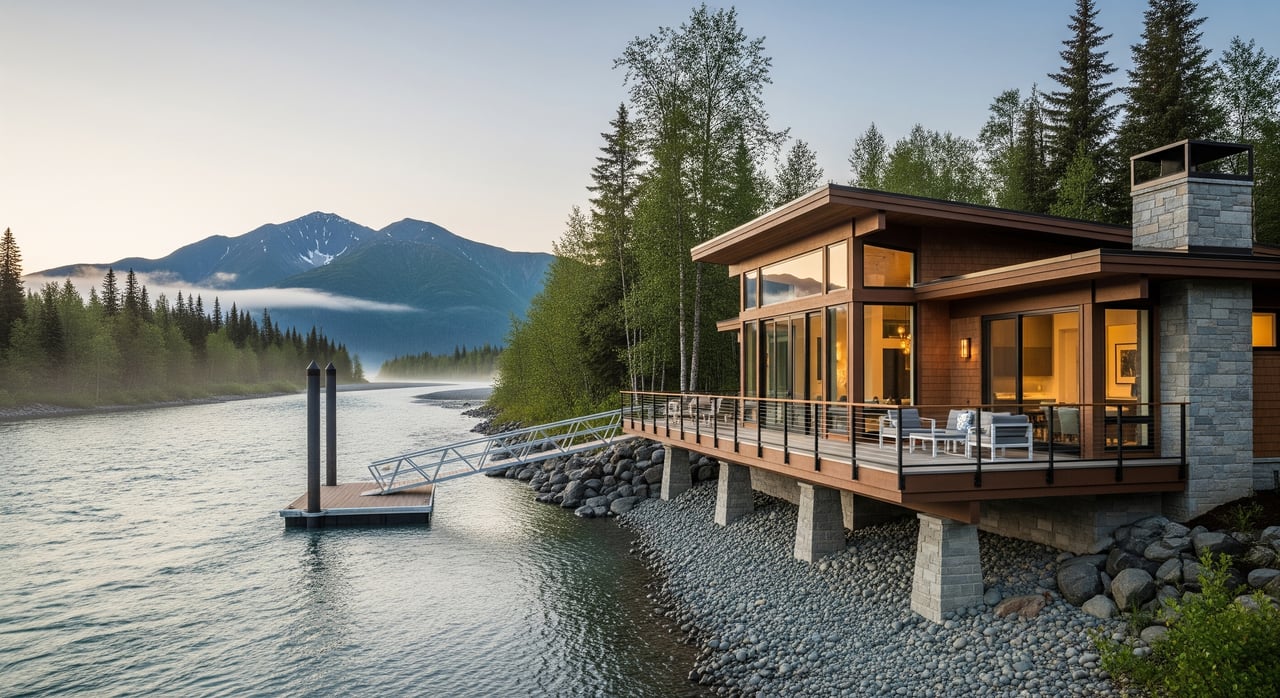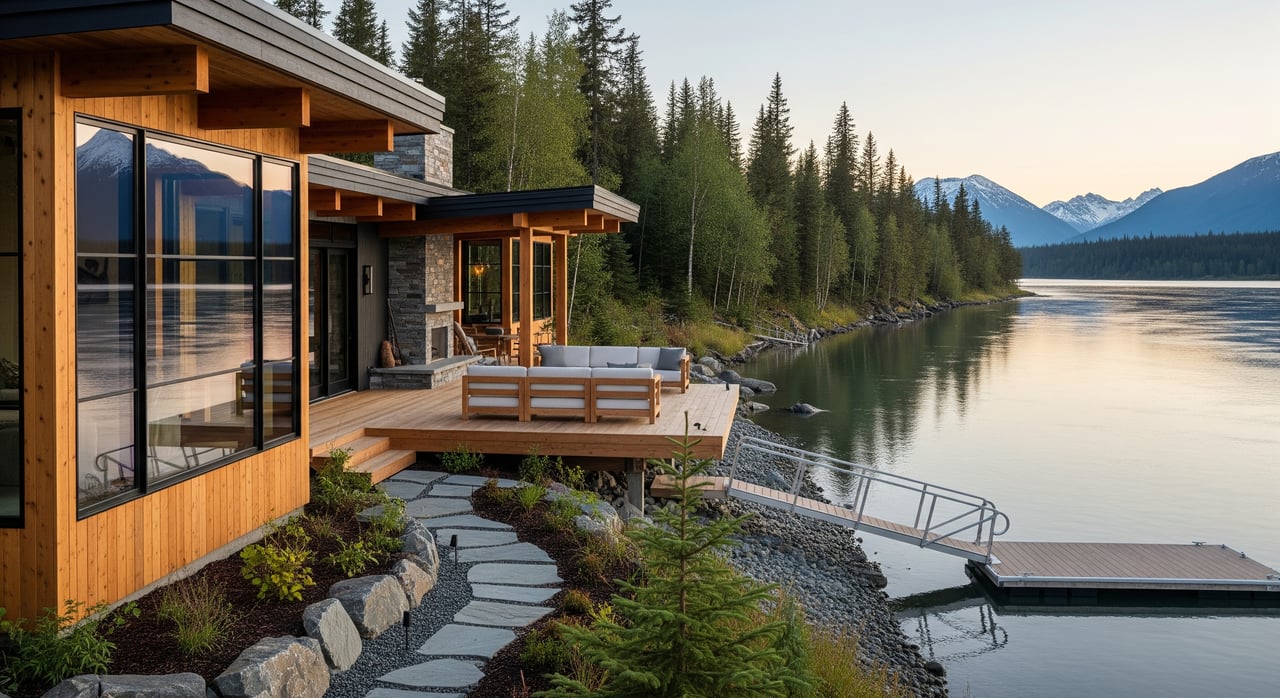
Ever imagined stepping out your door to glassy Kenai Lake mornings and an easy drive to world‑class fishing on the Kenai River? If Cooper Landing has been calling your name, you are not alone. Owning a second home here can deliver the quiet you want and the access you crave, as long as you plan for Alaska’s seasons and rural realities. In this guide, you will learn how to prepare for access, utilities, furnishing, management, and holding costs so your retreat runs smoothly year‑round. Let’s dive in.
Why Cooper Landing works
Cooper Landing is a small, rural community where Kenai Lake meets the Kenai River. The setting is scenic and geared to recreation, with peak activity in summer when fishing and tourism are in full swing. You should expect limited local infrastructure compared to urban Alaska, which means some services are available elsewhere on the Kenai Peninsula.
Your intended use shapes almost every decision. If you plan personal use only, your lending and insurance needs are different than if you plan short‑term rentals. Investors targeting summer income should plan for permits, lodging tax compliance, and property management.
Access and seasons
Getting there year‑round
You will reach Cooper Landing primarily by the Sterling Highway. Winter driving means ice and snow, and transitional seasons can bring thaw cycles, slides, or occasional short‑term closures for weather or road work. If you expect winter visits, set up reliable snow removal and keep a backup plan for power and heat.
If you need air access, floatplanes and small aircraft serve regional points by arrangement. Emergency response is farther than in urban areas, so plan for basic supplies and communication redundancy.
Climate snapshot
Summer brings long daylight and mild to warm days, which is why visitor numbers spike. Mosquitoes peak early in summer, so bug screens and deterrents help. Fall cools quickly, salmon runs increase wildlife activity, and it is the time to prepare for winterization.
Winter delivers prolonged cold, snow, and freeze‑thaw cycles that can cause ice dams and stress roofs and plumbing. Spring thaw exposes roof, deck, and drainage issues, so plan inspections once snow recedes.
Safety basics
Wildlife is part of daily life. Bears and moose are active year‑round, and salmon runs draw bears near rivers and homes. Use bear‑resistant trash solutions, secure food, and post simple wildlife safety guidance for guests.
Know your site’s natural hazards. Properties near the river or lake outlets may face seasonal high water or flood risk. The Kenai Peninsula has seen wildfires, and some slopes carry avalanche risk. Check local hazard maps and ask about flood zones before you buy.
Plan utilities and setup
Water and sewer
Many homes use private wells and septic systems. Ask for records on ages, pump details, and maintenance history during due diligence. Winter freezing is a primary risk for plumbing, so insulate lines, add heat tape where allowed, and learn your main shutoff locations.
Heat and power
Common heating systems include electric, propane, oil, and wood or pellet stoves. Reliable fuel delivery is essential for winter. Schedule annual service for furnaces and stoves, clean chimneys, and keep carbon monoxide detectors tested.
Grid power can be less reliable than in cities. Many owners install backup generators and maintain fuel on site. Plan for outages with a simple checklist that covers generator testing, spare filters, and labeled transfer switches.
Internet and security
High‑speed internet may be limited. Options often include satellite services, fixed wireless where available, or cellular hotspots depending on your carrier. If you plan remote monitoring, build in redundancy and consider keyless entry with remote control.
Furnish for Alaska use
Mudroom and gear storage
Create a durable entry zone for waders, boots, and wet gear. Waterproof flooring, boot trays, and wall‑mounted drying racks make cleanup easy. Good ventilation helps control moisture and odor after long fishing days.
Linens and kitchen essentials
Stock two full linen sets per bed if you plan guest stays to speed turnovers. Choose easy‑care fabrics that dry quickly. In the kitchen, provide basic cookware, dishware, a coffee maker, and cleaning supplies, and keep a small locked cabinet for owner‑only items.
Wildlife‑safe waste
Use bear‑resistant containers or a secure, locked trash enclosure. Keep grills clean and away from doors. Post a one‑page wildlife safety guide in your guest binder so everyone follows the same rules.
Maintenance calendar
Spring: late March to May
- Inspect for freeze‑thaw damage, including roof, gutters, and drainage.
- De‑winterize plumbing and check for leaks.
- Service heating systems before seasonal transitions.
- Schedule septic inspection after thaw.
- Prep decks, stairs, and railings for summer use.
Summer: May to September
- Expect peak fishing and tourism, which supports high occupancy if renting.
- Maintain screens and use insect deterrents as mosquitoes peak early.
- Stay on top of cleanings and turnovers.
- Check bear‑proofing measures and remove attractants.
- Complete exterior sealing, painting, and any dock or boat care.
Fall: September to November
- Shut down irrigation and outdoor water features.
- Service furnaces, stoves, and schedule chimney sweeping.
- Winterize exterior faucets and hose bibs.
- Clean gutters and add ice‑dam prevention where needed.
- Finalize snow contracts and confirm fuel deliveries.
Winter: November to March
- Keep snow removal on schedule and plan roof‑snow management.
- Perform periodic property checks or hire a manager for walkthroughs.
- Monitor interior temperatures and plumbing.
- Maintain generator readiness and safe fuel storage.
Property management choices
Full‑service vacation rental management
If you want help with bookings, guest screening, cleaning, and emergency response, a full‑service manager can be a good fit. Services often include listing creation, revenue management, and contractor coordination. Fees commonly range from 20 to 40 percent of rental revenue depending on the package.
Local caretaking and limited services
If you prefer to self‑manage bookings, a local caretaker can handle regular checks, winterizing, warm‑ups, trash, and snow coordination. These services are often billed as seasonal packages or hourly.
Owner‑managed with strong backup
Some owners handle everything themselves. If you do, build a reliable bench of local pros for emergencies and ensure someone nearby holds a spare key. Use a robust checklist for turnovers, inspections, and seasonal tasks.
Questions to ask managers
- What is your response time for winter emergencies?
- Can you share local references and proof of licensure and insurance?
- What are your rates for winterizing and de‑winterizing?
- How do you handle guest screening, deposits, and wildlife incidents?
- Do you provide photo check‑in and check‑out reports?
- Will you coordinate utilities, fuel delivery, and local compliance?
Financing, insurance, and taxes
Financing basics
Lenders treat second homes and investment properties differently. A second home that you occupy part‑time can qualify for common loan programs, though down payments and credit standards are often higher than for a primary residence. If you plan to rent significantly, the property may be classified as an investment, which usually means stricter underwriting and higher down payments.
Insurance essentials
Tell your insurer about vacancy patterns and rental plans. Standard policies often include vacancy clauses, and you may need special coverage for seasonal use. Focus on dwelling, contents, and liability coverage, and add options for loss of rental income, flood, or earthquake if needed.
Winter issues are common in Alaska. Confirm coverage for frozen pipes, ice damming, and heating failures, and ask about endorsements for seasonal homes. Install and test smoke and carbon monoxide detectors, and keep a current inventory of major systems and appliances.
Taxes and local rules
If you rent, rental income is taxable and expenses may be deductible based on personal use versus rental days. The rules can change, so discuss Publication 527 topics with a tax professional. Alaska has no statewide sales tax, but local lodging or sales tax may apply, and you may need a local business license. Confirm requirements with the Kenai Peninsula Borough planning, tax, and permitting offices, and check title, zoning, and any HOA rules for rental limits.
Printable setup checklist
Ownership and legal
- Confirm your property tax account with the Kenai Peninsula Borough.
- Obtain any required business licenses or short‑term rental registrations.
- Review title, covenants, and zoning for rental or building restrictions.
Contacts and documentation
- Post emergency numbers and the nearest clinic or hospital information.
- Create a contact list for a property manager, plumber, electrician, heating contractor, septic service, and snow removal.
- Record utility account numbers and provider contacts.
- Keep insurance policy documents and your agent’s contact in a binder.
- Store mortgage documents and lender contact details.
Property readiness and safety
- Install and test smoke and carbon monoxide detectors, and stock spare batteries.
- Service heating systems and chimneys on an annual schedule.
- Insulate exposed pipes and label shutoff valves.
- Set up bear‑resistant trash storage and post wildlife safety guidelines.
- Add an easy‑to‑find guest binder with emergency procedures and local rules.
Furnishings and supplies
- Stock basic cookware, dishes, and cleaning supplies.
- Keep two full linen sets per bed if renting.
- Provide towels, quick‑dry outdoor towels, and wader drying racks.
- Place entry mats, boot trays, and indoor drying solutions.
Connectivity and security
- Verify internet and cell coverage and add satellite or backup if needed.
- Test keys and locks, and consider keyless entry with remote access.
- Photograph interiors and major systems with date stamps for your records.
Seasonal operations
- Establish written winterization and de‑winterization procedures.
- Schedule septic inspections and set reminders for pumping.
- Sign snow removal and roof‑snow contracts.
- Plan fuel deliveries and set reorder thresholds.
Finance and taxes
- Discuss rental‑income treatment with your CPA and set up bookkeeping.
- Create separate accounts for rental income and expenses if renting.
- Confirm lodging or sales tax registration and collection steps.
Emergency and contingency
- Leave a spare key and access instructions with a trusted local contact.
- Maintain an emergency kit with first‑aid, flashlight, portable heater, and blankets.
- Test your generator and store fuel safely.
Budgeting for maintenance
Expect higher ongoing costs than in non‑rural areas. Travel charges for contractors, winterization, fuel, and snow services add up. Build a yearly maintenance reserve that reflects your home’s age, construction, and intensity of use, and revisit the number after your first full year.
Your next steps
If Cooper Landing feels like the right fit, line up your financing plan, talk with insurance and tax pros about seasonal use, and start interviewing local managers and contractors. Walk every property with utilities and access in mind, not just views. When you are ready, partner with a local guide who understands Kenai Peninsula seasons and second‑home logistics.
If you want a friendly, expert sounding board, reach out to Gina Pelaia. We help second‑home buyers think through access, utilities, and management so you can enjoy more time on the water and less time troubleshooting.
FAQs
Can I access a Cooper Landing home year‑round?
- Generally yes by road via the Sterling Highway, but winter weather can bring ice, snow, and occasional closures, so plan for snow removal and reliable heat and fuel.
Is short‑term renting allowed in Cooper Landing?
- It can be, but you should verify Kenai Peninsula Borough zoning, any HOA rules, and local business license and lodging tax requirements before listing.
How do I deter bears and protect guests?
- Use bear‑resistant trash, secure grills and food, post clear guidelines, and remove exterior attractants during peak activity; educate guests on basic safety.
What utilities should I evaluate before buying?
- Confirm well and septic condition, heating system type and fuel logistics, power outage history, and realistic internet options, then plan for backups.
How much should I budget for maintenance each year?
- More than a typical urban home due to winterization, travel charges for trades, and seasonal services; adjust after your first year of actual costs.
What insurance coverages are most important for a second home?
- Dwelling, contents, and liability are key; ask about endorsements for seasonal vacancy, frozen pipe and ice‑dam coverage, and loss of rental income if applicable.